Audiovisual Content
Photographic Archive
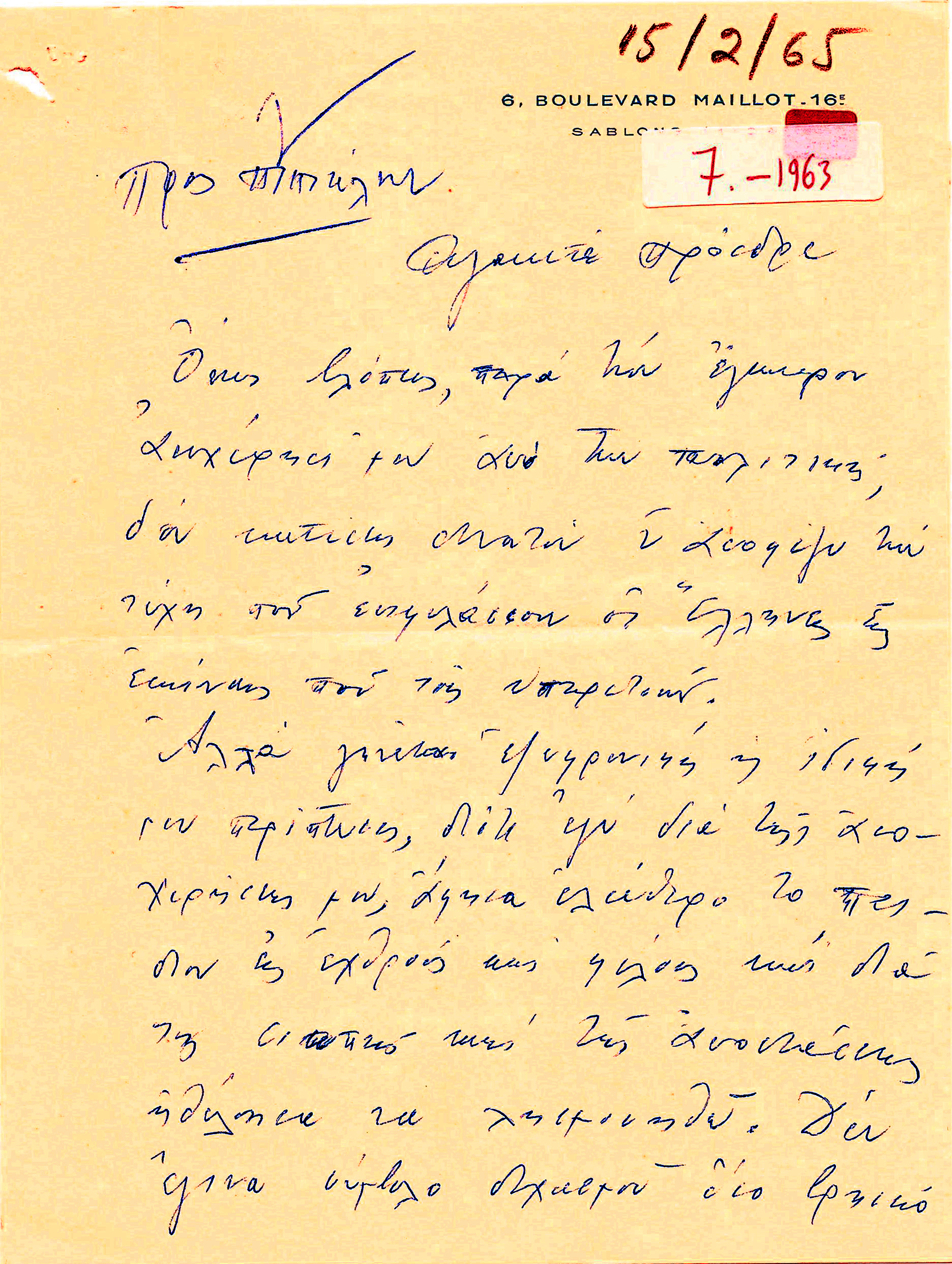
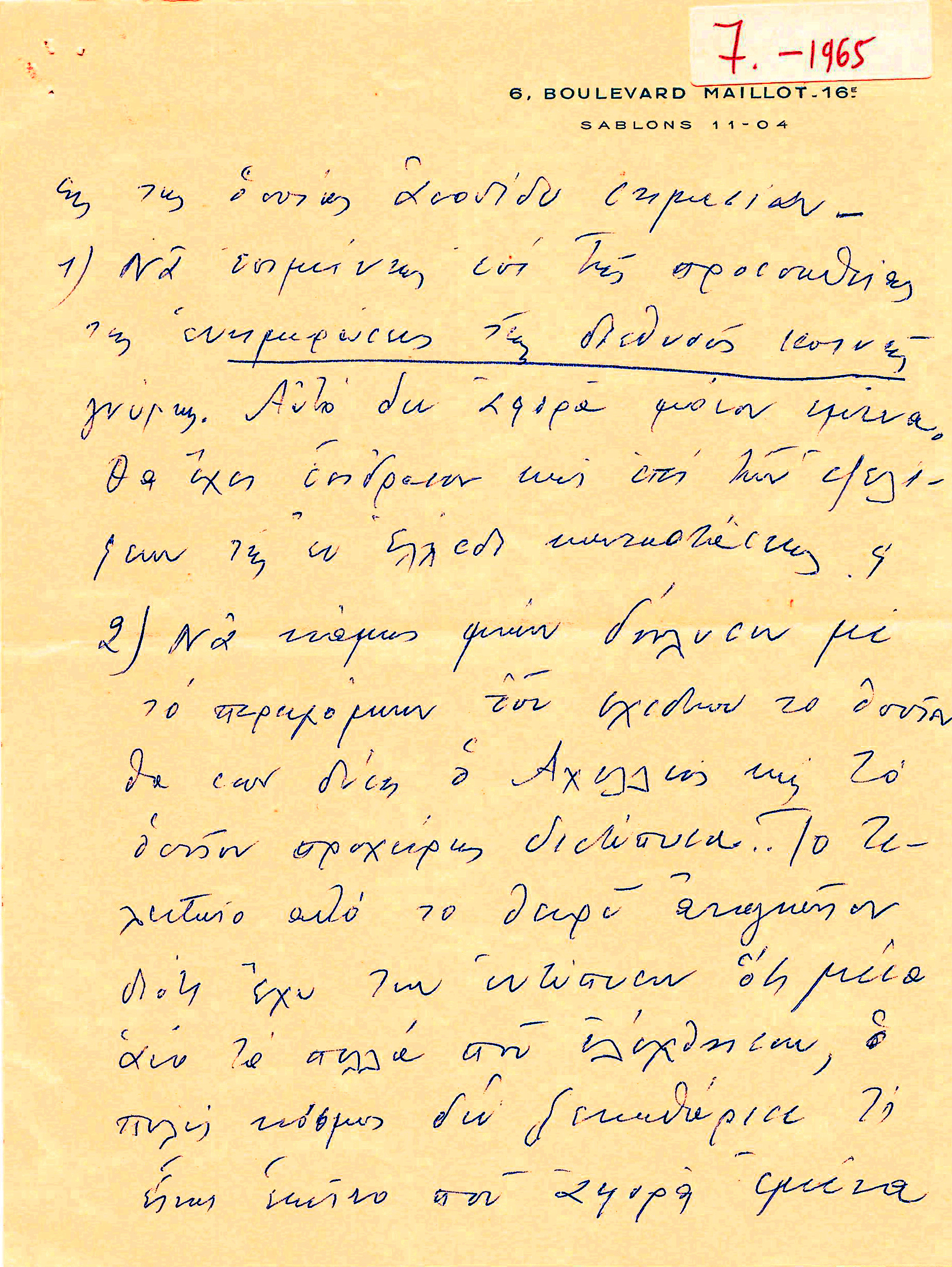
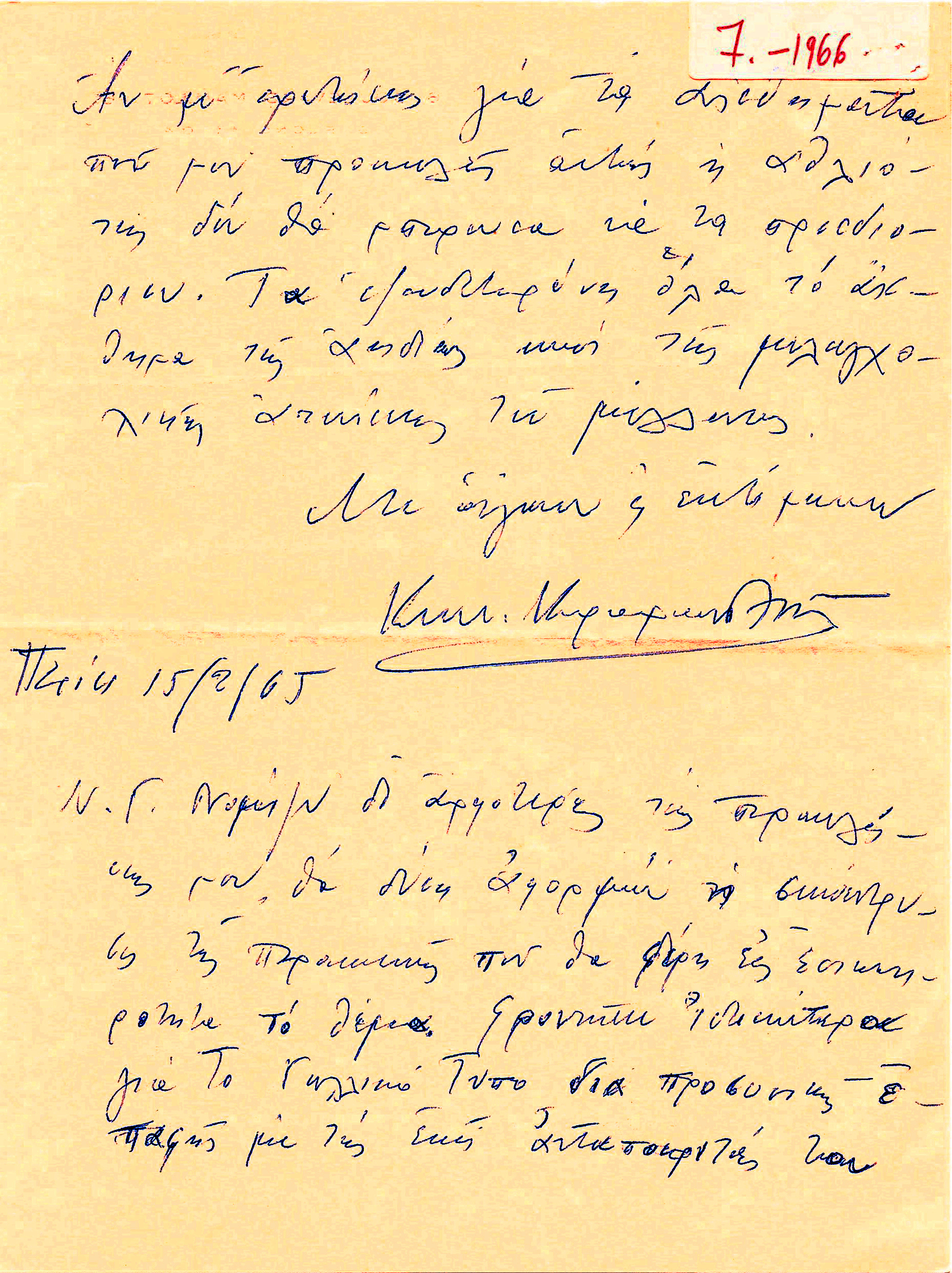
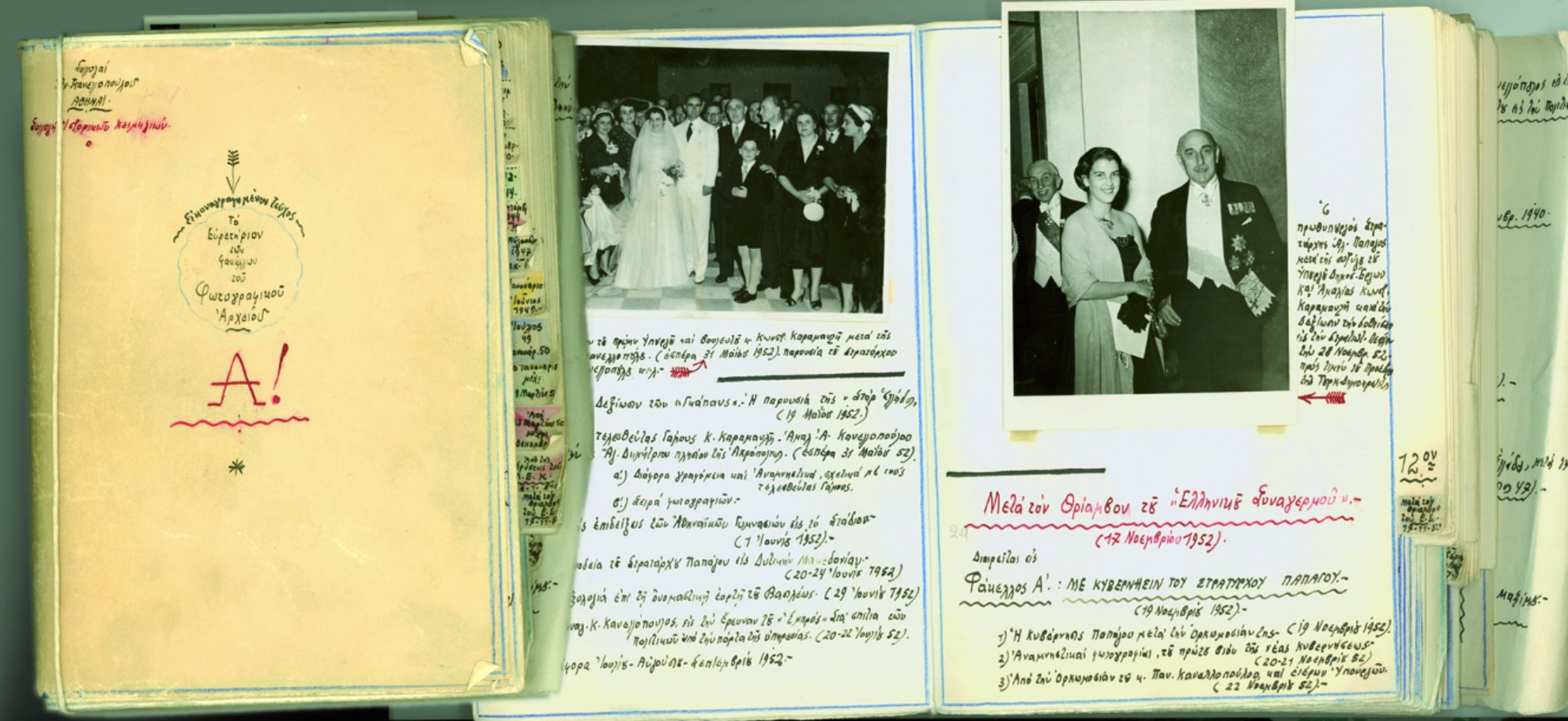
The archival material is supplemented by a rich collection of photographs relating to the political career and personal life of Konstantinos Karamanlis. The bulk of this material covers the period 1955-1995.
Video Collection
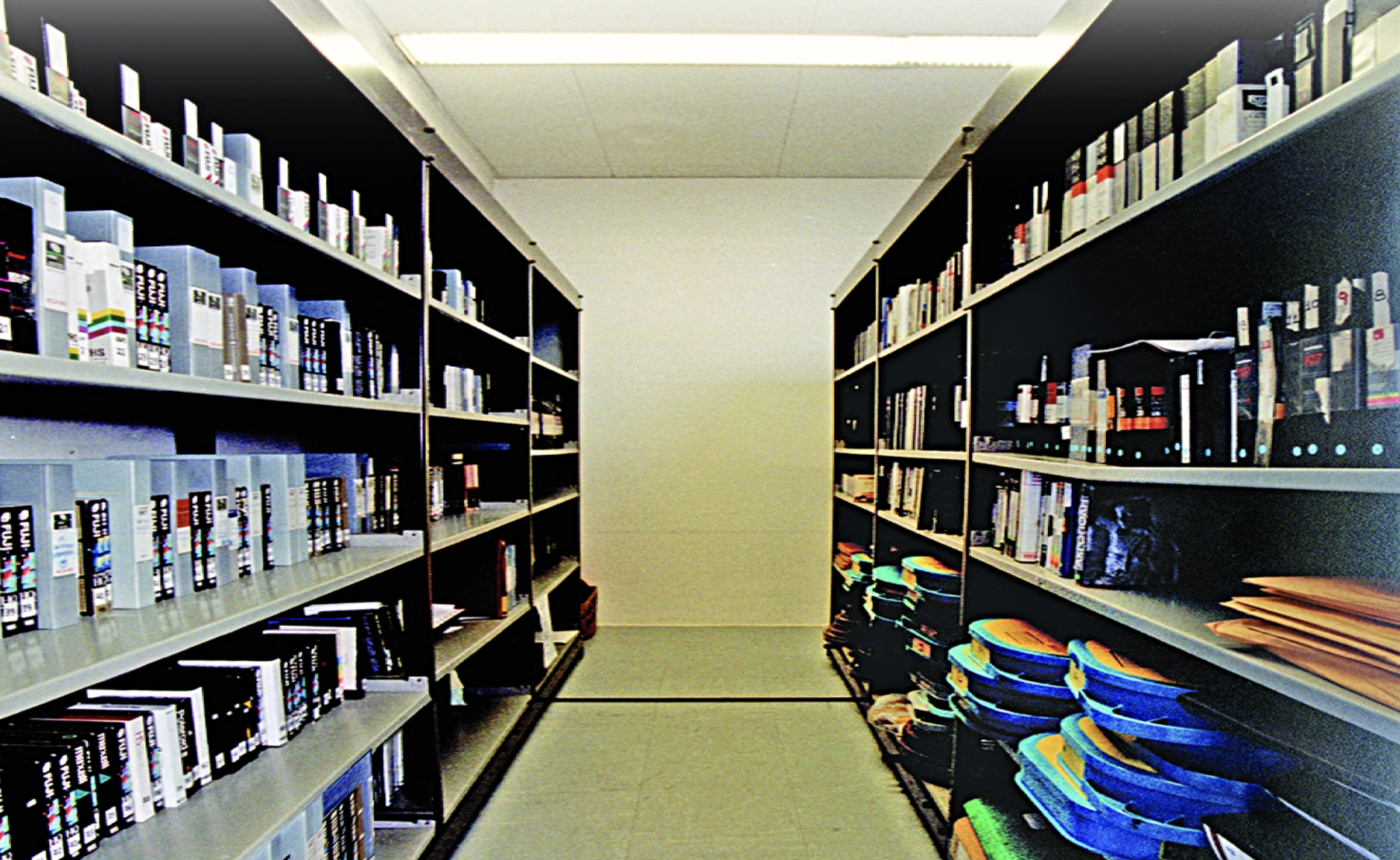
An important documentation tool is the Historical Archive’s collection of audiovisual material, which includes photographs, videos and audio recordings. This material has contributed significantly to comparative research and the multidimensional interpretation of historical events.
The combination of image and sound highlights both the political activity and personality of K. Karamanlis and the contemporary political events of the long period during which he played a leading role. This material contributes to a more complete reconstruction of the general picture of post-war Greece and provides information on international events of the period. The collection has been fully digitised. Detailed catalogues and information on all of this material are available to researchers both in the Foundation’s reading room and on its website, in accordance with the regulations of the Historical Archive
Collection of artefacts
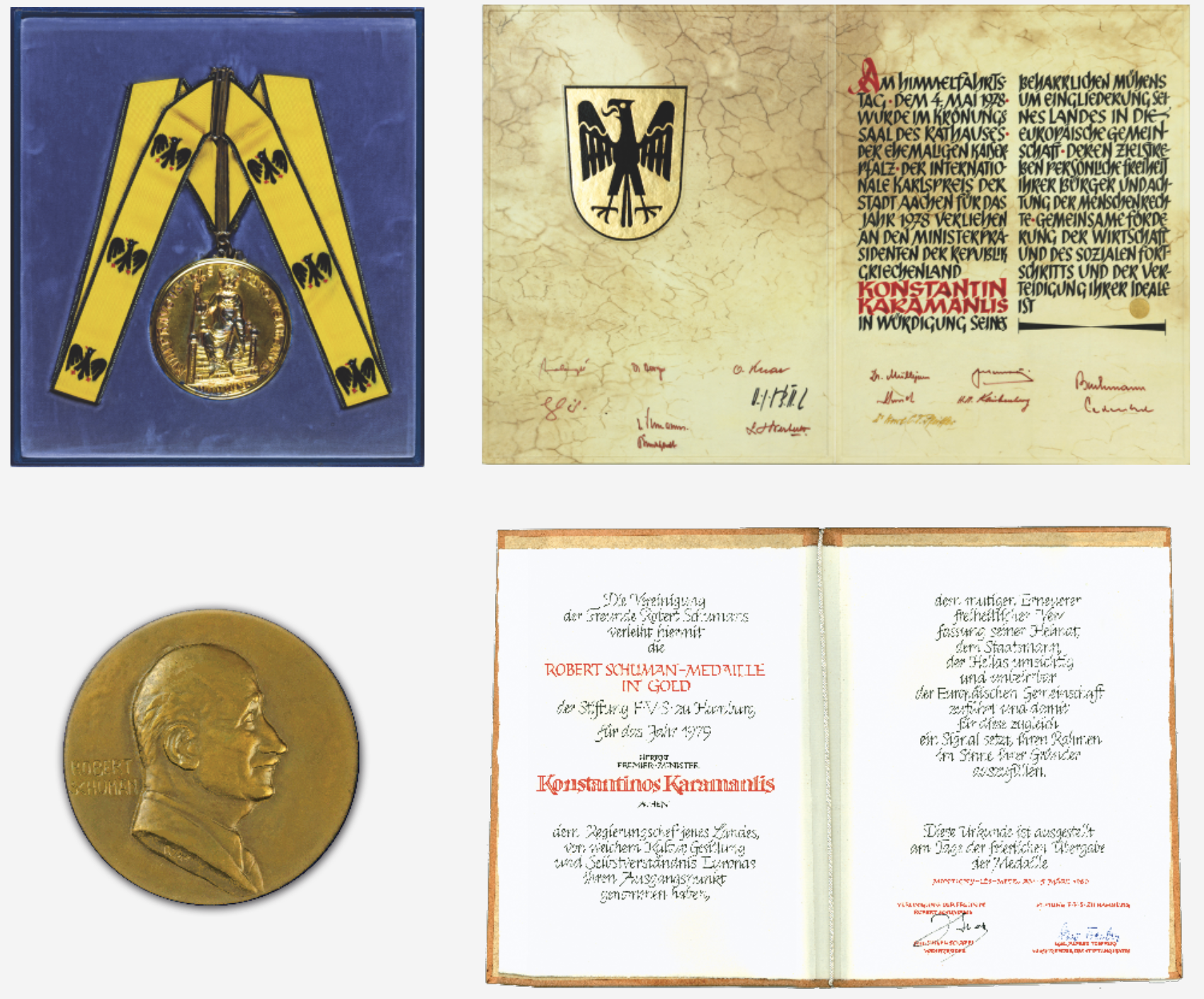
The Collection of Artefacts kept at the Foundation includes, among other things, personal mementos and paintings or sculptures of particular historical and artistic interest. Konstantinos Karamanlis’s personal memorabilia (insignia, medals, plaques, diplomas, awards, etc.) are directly linked to key events in his political career that shaped the course of Greece’s history in the post-war period, both domestically and internationally.
Oral Testimonies
The Historical Archive includes a collection of oral testimonies from people who worked closely with Karamanlis or played an important political role during his long career in public life. In this context, testimonies from dozens of individuals from Greece and abroad have been recorded.
Material Management
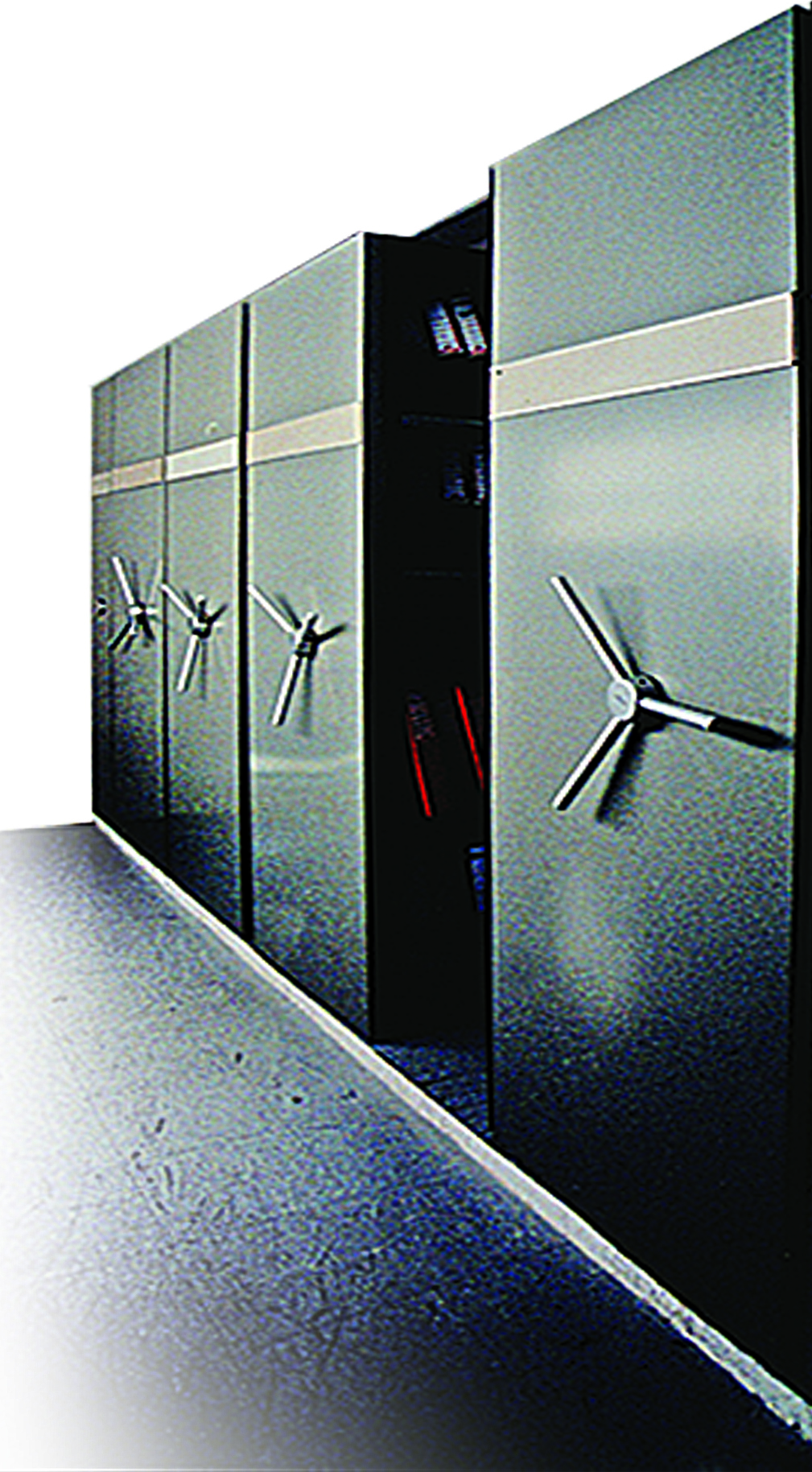
The Foundation’s primary concern is the proper preservation, maintenance and management of the archival material, while at the same time endeavouring to benefit from modern technological developments for its protection.
For these reasons, a fire detection and extinguishing system is in place, and temperature and humidity control equipment has been installed. In addition, technical equipment is updated at regular intervals. The Foundation strictly adheres to the rules established by the International Council on Archives.
It is worth noting that the Foundation is constantly innovating in terms of the organisation and management of its archives. As early as the second half of the 1980s, it was decided to microfilm the archives for safekeeping. At the same time, the detailed documentation and establishment of an electronic record of written documents began. This work was completed in 1992, and a central computer network was then installed at the Foundation, into which all the processed data was entered. The software enabled users to locate relevant information entered in any electronic documentation form, with each word functioning as keyword.
In 2004, it was decided to further modernise the services of the Historical Archive in order to provide easier access to researchers and to take advantage of the possibilities offered by technological developments in archiving and information retrieval.
As part of the project “Digitisation, documentation and promotion of the archives of the Konstantinos G. Karamanlis”, which was included in the Operational Programme “Information Society”, co-funded by the European Union and the Greek government, and running from July 2004 to December 2007:
The documentation and digitisation of the documents in the Karamanlis archive (230,000 pages of written and printed material), the audiovisual collection (20,000 photographs, 250 hours of video) and the rich collection of personal memorabilia belonging to K. Karamanlis was completed. Specifically, in addition to being digitised, each item was classified and documented electronically in accordance with the General International Standard Archival Description (ISAD) of the International Council on Archives and treated as a separate unit, but also as an integral part of the archival collection.
A comprehensive digital collection management system was designed and implemented, which supports the monitoring of the entire life cycle of a digital document and facilitates its retrieval.
Special care was taken to manage access to digital material at the metadata and digital document levels. The digital collection management system was implemented using the specialised PAPYROS programme.
The technical equipment (installation of new computer systems, scanners, printers, storage media, network equipment) has been upgraded for both staff and visitors of the Foundation.
The Foundation’s website, which has been online since 1998, has been upgraded.
Following the completion of this significant project, the Foundation’s Historical Archive has digitised three more archives of important political figures, namely Panayis Tsaldaris, Konstantinos Tsaldaris and Lina Tsaldari, as well as the rich photographic material contained in the Collection of Historical Artefacts of Anastasios Kanellopoulos, while also creating applications aimed at disseminating historical information to the wider public and, more generally, at developing the appropriate conditions for the enrichment of Greece’s cultural heritage and the promotion of contemporary Greek history.
Archive Regulation
Research and consultation of materials held in the Foundation’s Archives are conducted upon approval of a written application submitted by the interested researcher to the Director of the Archives, through the completion of the relevant application form. Permission to consult archival material is granted provided that the material does not fall under restrictions arising from national or international confidentiality regulations, the Foundation’s internal rules, or the expressed wishes of the donor (in cases where the archive has been acquired through donation).
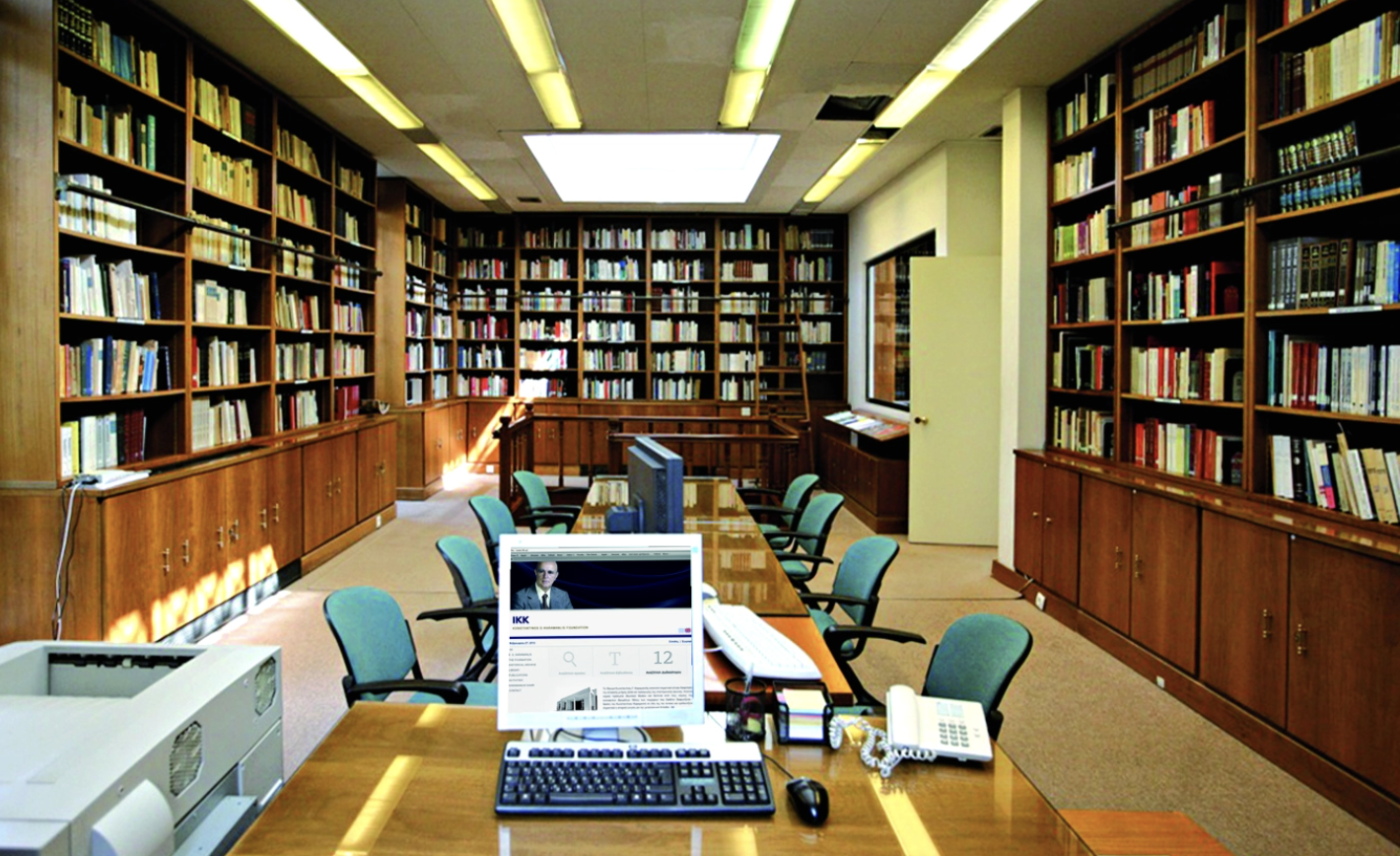
The consultation of documents takes place exclusively in the Foundation’s reading room. Each researcher is personally responsible for the safe handling and proper return of the material they receive.
The following are strictly prohibited:
(a) the circulation or removal of folders, individual documents, or microfilms from the premises of the Foundation;
(b) any alteration of the documents, including any form of writing or marking on them;
(c) any change to the original classification order of the documents;
(d) the use of pens, fountain pens, or similar writing instruments. Only pencils are permitted.
Researchers are also required, upon entering the reading room, to deposit bags, briefcases and other personal portable items in the designated storage area. Smoking, as well as the consumption of food, beverages, or refreshments, is strictly prohibited within the reading room.
3. Researchers are informed about the content of the Archives and identify the material relevant to their research with the assistance of the responsible staff member. In order to receive and consult the requested material, they are required to complete a special request form indicating the relevant details.