
Karamanlis – Biography and Political Career

Konstantinos Karamanlis was born on 8 March 1907 in Proti, a market town near Serres. His father, George, a primary school teacher and farmer, was persecuted and taken hostage for his patriotic activity, first by the Ottoman authorities and later by the Bulgarian occupation authorities.
As a schoolboy, Karamanlis lived in Proti, Nea Zichni and Serres, and finally in Athens, where he completed his secondary education and enrolled at the Law School of the University of Athens. He graduated in 1929 and practised law in his native region until he was first elected to Parliament in 1935.
The formative experiences of his youth, shaped by bitter national struggles and intense political conflict, left him with lessons that would guide his choices throughout his long political career. He was convinced that a functioning state requires stability and continuity; that the prolonged period of political instability had to be brought to an end; that no violation of democratic legality can be accepted, whatever the political expediency; and that political leadership must be guided by tolerance, responsibility and respect for commitments. The further trials the country endured after he entered public life strengthened his determination to defuse political confrontation and to pursue a constructive, forward-looking political project.
He served briefly as Minister of Labour, then as Minister of Transport and Communications and, until 1950, as Minister of Social Welfare. In these posts he showed determination, administrative efficiency and a strong capacity to design and carry out ambitious policies, always placing the national interest first. These qualities became even more evident when he served as Minister of Public Works in the Papagos government. In the three years from 1952 to 1955, he achieved results of crucial importance for Greece’s economic development and modernisation. He built a network of main roads across the country, carried out major land reclamation works, established efficient energy and power production units, preserved and restored historical monuments, developed the infrastructure for tourism, improved water supply systems, and upgraded road networks and carried out urban improvement projects in the wider Athens and Thessaloniki areas.

During this period, he married Amalia Kanellopoulou.
His successful political record strengthened his public standing and paved the way for his appointment as Prime Minister following the death of Alexandros Papagos. On 5 October 1955, King Paul invited Konstantinos Karamanlis to form a government – a decision that was met with broad support among parliamentary representatives and the majority of the Hellenic Rally (Hellenikos Synagermos) party’s supporters. Nevertheless, wishing to bring fresh energy into political life, Karamanlis founded a new party, the National Radical Union (Ethniki Rizospastiki Enosi), and early elections were held in February 1956. His victory in those elections, followed by further successes in 1958 and 1961, kept him in office for eight consecutive years.
During his first period as Prime Minister, Karamanlis’ chief concern, and his greatest achievement, was the design and implementation of a programme to boost the country’s economic growth. The economy expanded steadily, with GNP doubling at an average annual rate of 6.25%. Per capita income rose from $305 to $565, while inflation stood at just 2%. Investment advanced rapidly, the banking system was revitalised and the financing of the economy was encouraged. Greece’s foreign-exchange position improved, balance was restored in the external accounts and exports were promoted. Domestic production was strengthened, shipping and tourism developed, and foreign capital flowed into the country. Together, these were the main elements of the economy’s success.
Karamanlis also set out to strengthen the country’s productive capacity. This involved large-scale infrastructure and electrification works and a programme of electricity supply; the drawing up of the first five-year plan and the establishment of the Organization for Industrial Development; land reclamation; the introduction of new crops; reafforestation; the creation of agro-industries; and better trading conditions for agriculture. The public works programme continued and expanded. A modern highway network was completed, culminating in the Patras–Athens–Thessaloniki–Evzonoi road (PATHE). Water supply and urban improvement projects were carried out in the major cities, public welfare works were undertaken in the provinces, and tourism developed rapidly.
The growth of the economy allowed Karamanlis, in due course, to turn his attention to education and culture and, for the first time, to sport, as well as to broader support for social welfare and the introduction of institutional measures in this field. The most notable of these was the establishment in 1961 of the Agricultural Insurance Organization.
Karamanlis envisaged a country freed from the blight of economic stagnation and poverty. In his mind, this was bound up with the need for a dynamic response to the challenges of the era at the international level. At a time of intense global tension, it was natural for him to seek to safeguard national security and territorial integrity, first of all through Greece’s membership of NATO. In the last phase of his eight-year term, which coincided with détente, opportunities arose for an “opening to the East”, aimed at easing international pressures and creating new scope for cooperation. Karamanlis also successfully promoted good relations with the developing world, and with the Arab countries in particular, while always giving priority, where necessary, to Greece’s interests in the region.
At the same time, he worked to resolve the Cyprus question, which – after five years of armed struggle by the Cypriot people and difficult diplomatic efforts by Greek governments – led to the establishment of the independent Republic of Cyprus in 1959–1960.
However, the most crucial issue in Karamanlis’ foreign policy was Greece’s relationship with the European Economic Community (EEC), which he regarded as “not merely an economic joint venture, but an entity with a broader political mission and significance”. After two years of intensive negotiations, Greece became the first associate member of the Community of the original six member states, on 9 July 1961.

Karamanlis’ first term as Prime Minister ended unexpectedly with his resignation in June 1963, after a disagreement with King Paul that caused a deep rift in his relations with the Palace. The crisis unfolded amid wider political tension. The opposition had made a series of accusations linking Karamanlis to events from which he had in fact remained entirely detached, among them the conduct of the 1961 elections under a caretaker government appointed by the Palace and the assassination of Grigoris Lambrakis.
The ambiguous outcome of the subsequent parliamentary elections in November, together with the formation of a minority government, allowing a broad field of initiative to the leader of the opposition, armed Karamanlis with the irrevocable conviction that the political conditions were unsuitable for the fulfilment of his goals. A month later, as he left the country, he warned of the danger of a gradual erosion of the democratic system and a drift towards irregular or unconstitutional solutions.
Karamanlis spent the next eleven years in Paris, following developments in Greece closely and with deep concern. After the coup of 21 April 1967, he took a series of initiatives to overthrow the dictatorship and restore democratic government on new foundations. On suitable occasions he denounced the regime as “tyrannical and illicit” and pointed out the consequences of its prolongation.
Karamanlis remained the central point of reference for all efforts to restore democracy in Greece. Eventually, he was called upon at midnight on 23–24 July 1974, by the military leadership and leading political figures, to take charge of the country. A few days earlier, the “reckless” coup staged by the junta in Cyprus had provoked the Turkish military invasion, and Greece, unprepared for war, was in danger of being drawn into a conflict with incalculable consequences. The scenes of his arrival in Athens, where he was welcomed by a population electrified by the return of freedom, remain indelibly etched in historical memory.
As head of a National Unity Government, Karamanlis was now able to establish a properly functioning democracy. In the first free elections, on 17 November 1974, he won a resounding 54% of the vote at the head of New Democracy, a newly founded party based on the ideology of radical liberalism. The referendum of 8 December 1974 finally ended the old controversy over the form of government by definitively establishing a Republic. The drafting and adoption of a new Constitution in June 1975 then created the conditions for firmly consolidating the foundations of democracy at every level. His second election victory, in November 1977, enabled him to remain in power until 1980. The restoration of democracy brought a calm political climate, higher standards of political conduct and parliamentary practice, and a stronger democratic dialogue, together with a firmer guarantee of individual freedoms. The result was the most open and stable democratic system in Greece’s history, an achievement attributed above all to Karamanlis and to the successful transition and consolidation of democracy under his leadership.

Alongside the consolidation of democracy, the government took positive measures in the economy and in social policy, in spite of the effects, towards the end of Karamanlis’ six-year term, of the global energy crisis. Income was redistributed, and increased financing of the economy produced satisfactory rates of growth in Gross National Product. Substantial public works were planned and carried out, and progressive measures were introduced in social policy. In education, the use of two forms of the language was abolished, primary and secondary schooling were reformed, and technical training was upgraded. Further measures improved the quality of life in general: protection of the cultural heritage, institutionalization of environmental protection, a number of effective measures in the sports sector. The groundbreaking proposal to hold the Olympic Games permanently in Olympia reflects Karamanlis’ broader vision.
Strengthening national security, by doubling military expenditure and mounting a diplomatic offensive to enhance Greece’s international standing, formed the basis of Karamanlis’ foreign policy. When NATO proved unable to react to the expansion of the Turkish-occupied zone in Cyprus, he decided to withdraw Greece from the military structure of the Alliance. Relations at the political level were maintained, however, leaving open the possibility of a return. This is what eventually happened, once continued absence was judged perilous for Greece. The policy of maintaining a strategic balance between Greece and Turkey was reinforced through the allocation of U.S. military assistance on a seven-to-ten ratio. Overall, Karamanlis’ search for a diplomatic strategy that served every aspect of Greece’s interests, without departing from his central orientation, gave Greek foreign policy new strength and substance at both the regional and international levels.
His “opening” towards the countries of the Soviet bloc went hand in hand with the promotion of new forms of intra-Balkan cooperation, both bilateral and multilateral. This policy culminated in his historic visits to Moscow and Beijing in 1979, the first by a Greek Prime Minister. At the same time, Greece’s longstanding relations with the Arab world were strengthened and renewed, reflecting the country’s strategic role as a bridge between Europe and the Middle East.
Above all, however, his most significant international achievement was securing Greece’s accession to the European Economic Community after three years of intensive negotiations. This outcome was the culmination of a strategic vision he had first articulated two decades earlier, aimed at firmly anchoring Greece within the European integration process.
On 5 May 1980, Karamanlis was elected President of the Republic. His presidency was defined by unwavering respect for the constitutional order, a commitment to political neutrality above party conflict, the orderly alternation of power, and sustained efforts to ease polarisation and strengthen national unity. He resigned from the presidency in 1985, and was elected to the office again in 1990, serving a second term until 1995.
Konstantinos Karamanlis died on 23 April 1998, three years after withdrawing from active political life. For 60 years, he was present on the political stage, serving for eight years as a minister, fourteen as Prime Minister and ten as President of the Hellenic Republic. Karamanlis’ political vision rested on three aims: economic prosperity for Greece, the consolidation of democracy and the country’s integration into Europe. By the end of his career, all three had been achieved.

The history of Konstantinos Karamanlis
1907
1912
1913
1925
1930
1935
1936
1944
1946
1948
1950
1951
1952
1955
1956
1958
1961
1963
1967
1974
1975
1977
1979
1980
1985
1990
1995
1998

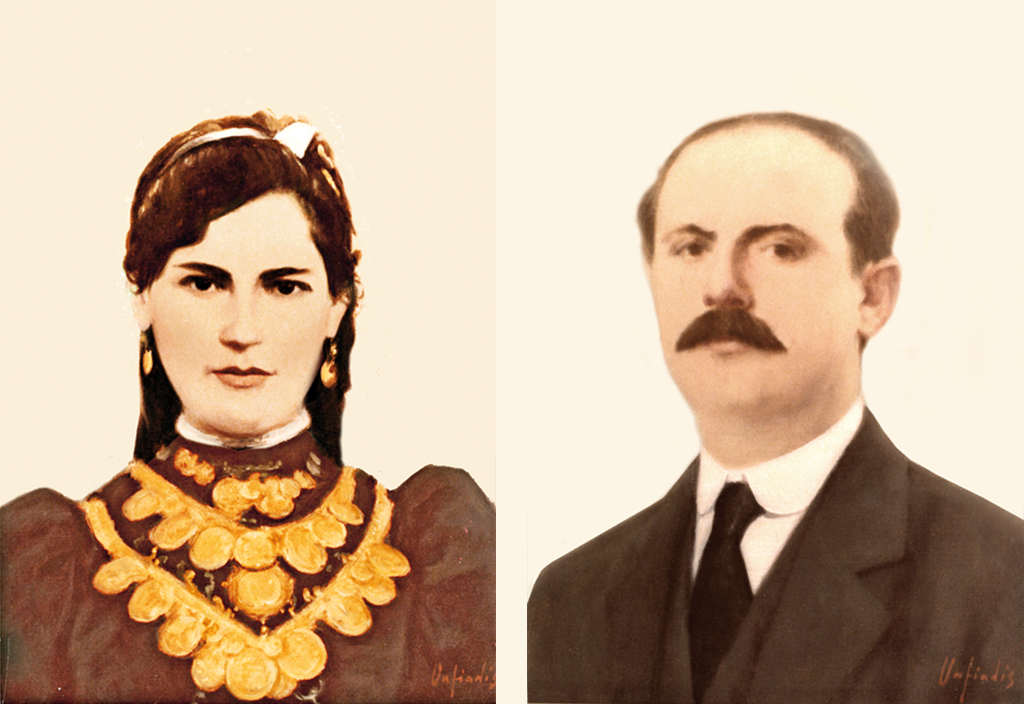
8 March 1907 | Birth of K. Karamanlis in Proti, a village in the prefecture of Serres

Fotini and Georgios Karamanlis gave birth to Konstantinos Karamanlis on 8 March 1907.
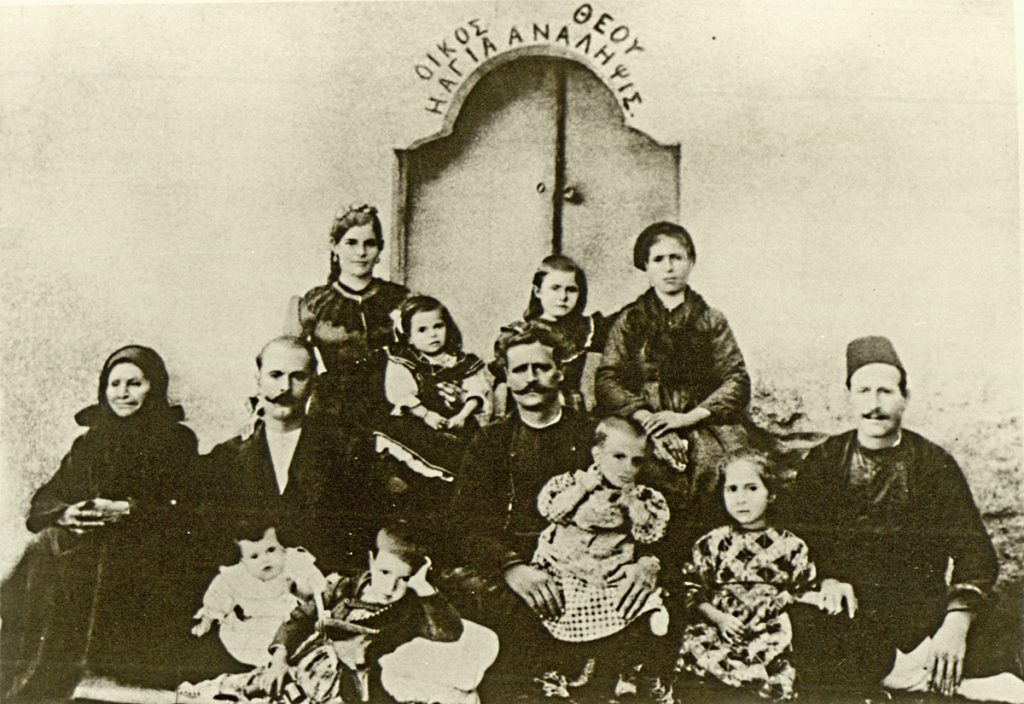
1912 | Childhood Years in Proti, Serres

The family of Georgios Karamanlis, with young Konstantinos in his father’s lap and the rifles “close at hand”, during a period of great upheaval in Macedonia, 1912
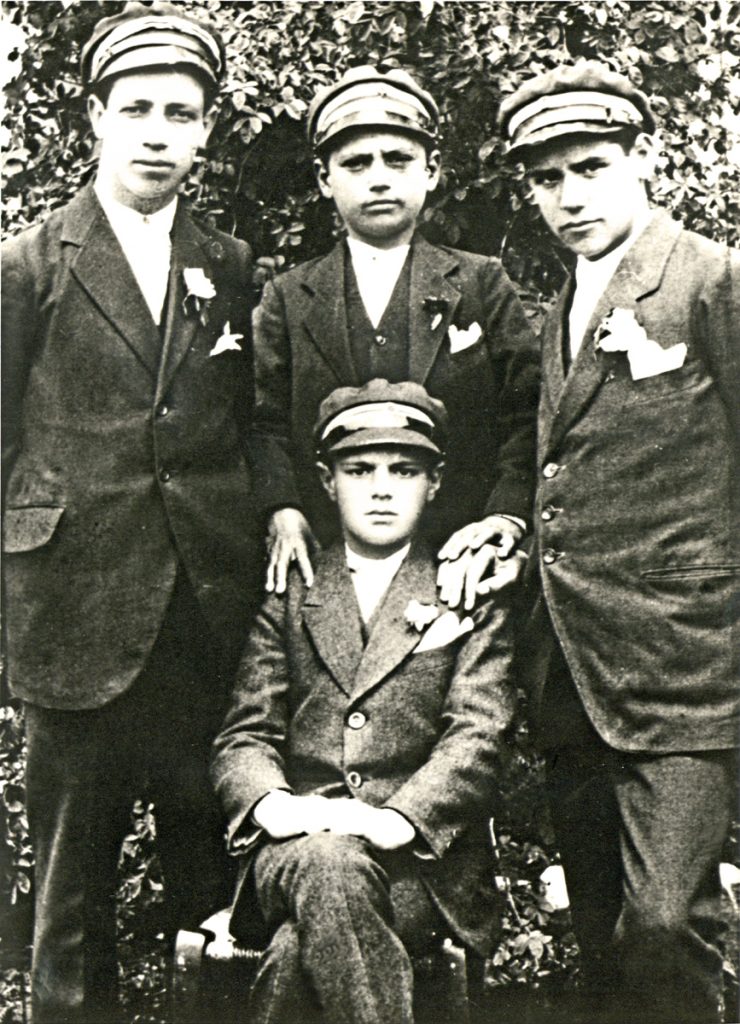
1913-1924 | Attends schools in Proti, Nea Zichni, Serres and Athens

Konstantinos Karamanlis as a primary school pupil in Proti, Serres, 1917
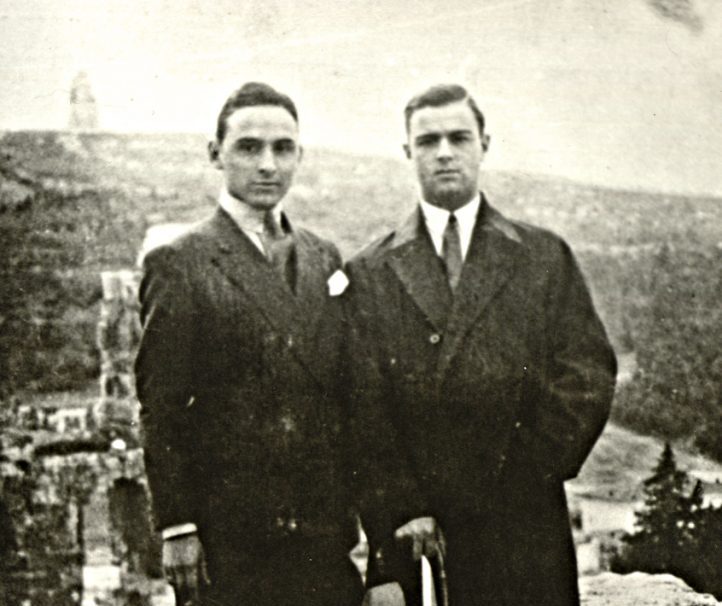
1925-1929 | Studies at the Law School of the University of Athens

Konstantinos Karamanlis during the time he was a student at the Law School of the University of Athens
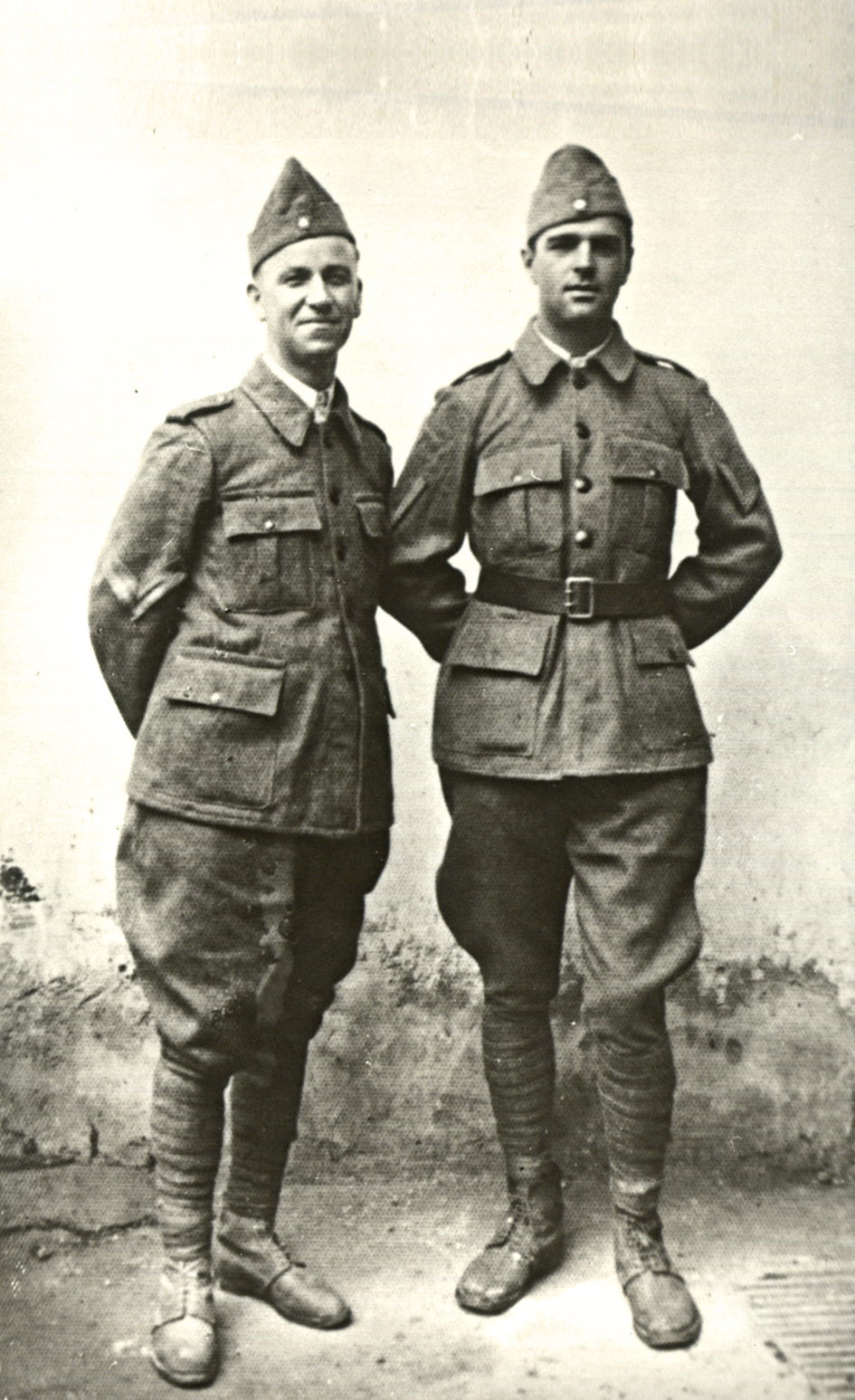
1930-1935 | Completes his military service; practices law in Serres; starts his political career.
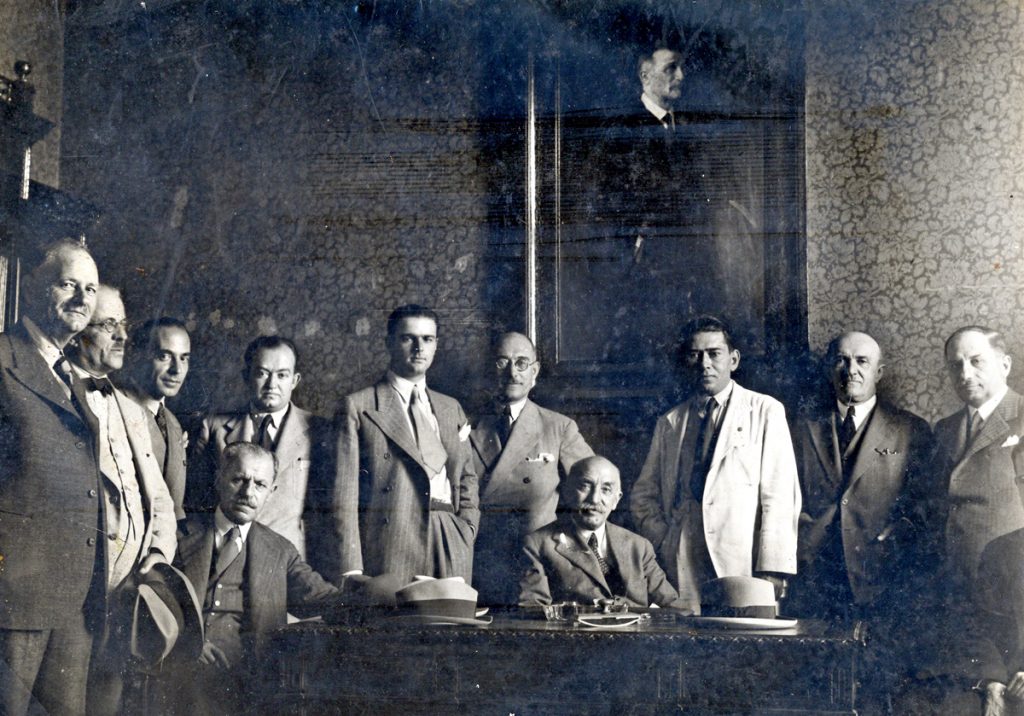
9 June 1935 | Elected member of parliament for Serres with the People’s Party

Konstantinos Karamanlis, newly elected member of parliament for the People’s Party, next to his leader Panagis Tsaldaris and under the gaze of the party leader executed in 1922, Dimitrios Gounaris, June 1935
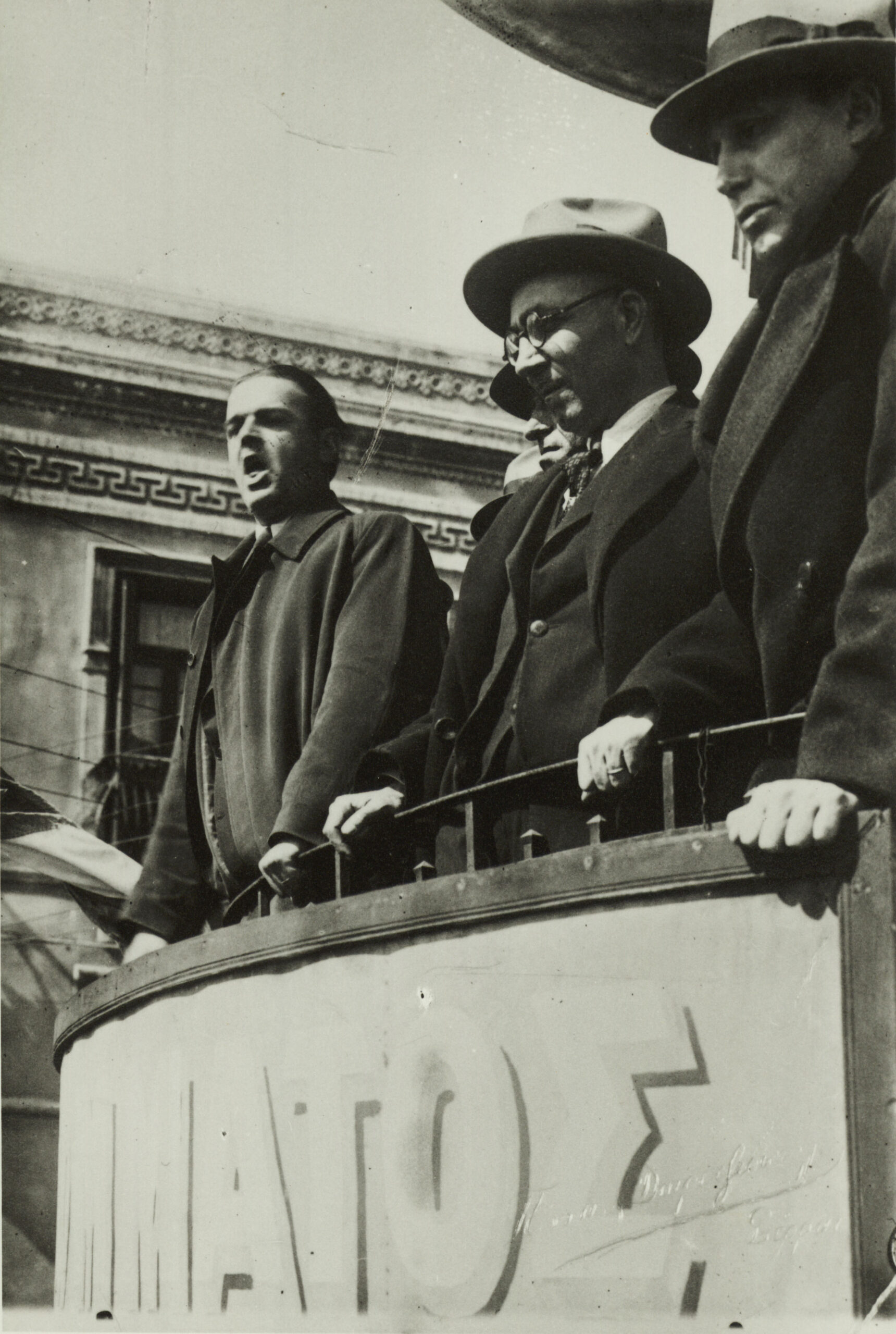
26 January 1936 | Re-elected as member of parliament
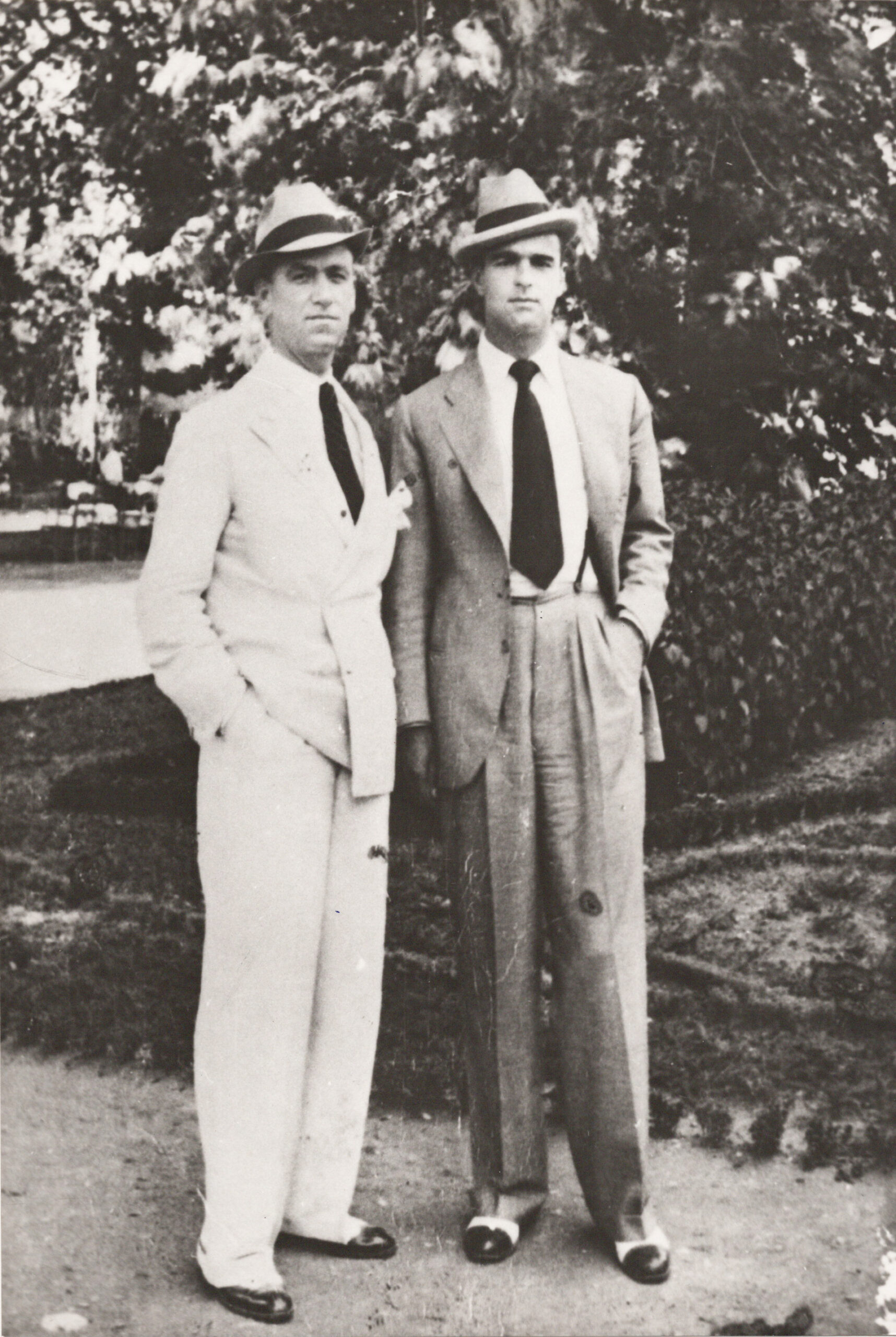
4 August 1936-1940 | Dictatorship of Ioannis Metaxas; refuses to cooperate with the regime, returns to his law practice in Serres
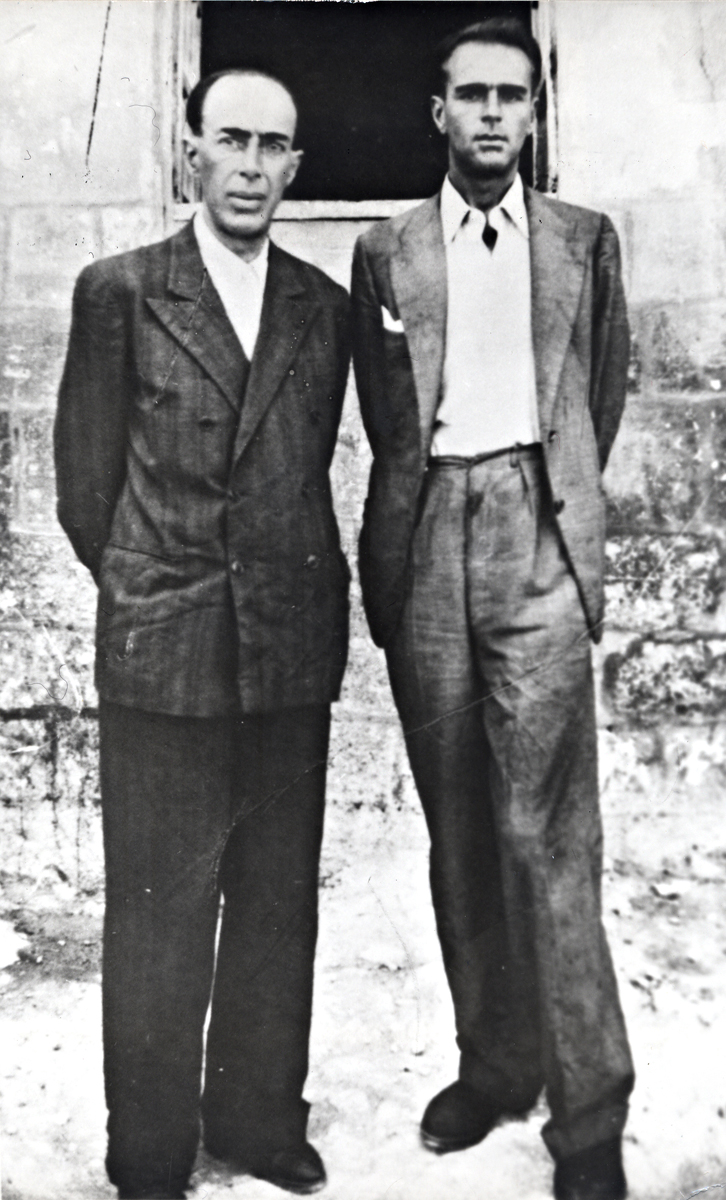
July 1944 | Escapes to the Middle East

Konstantinos Karamanlis during the Occupation, when he made an adventurous escape to the Middle East
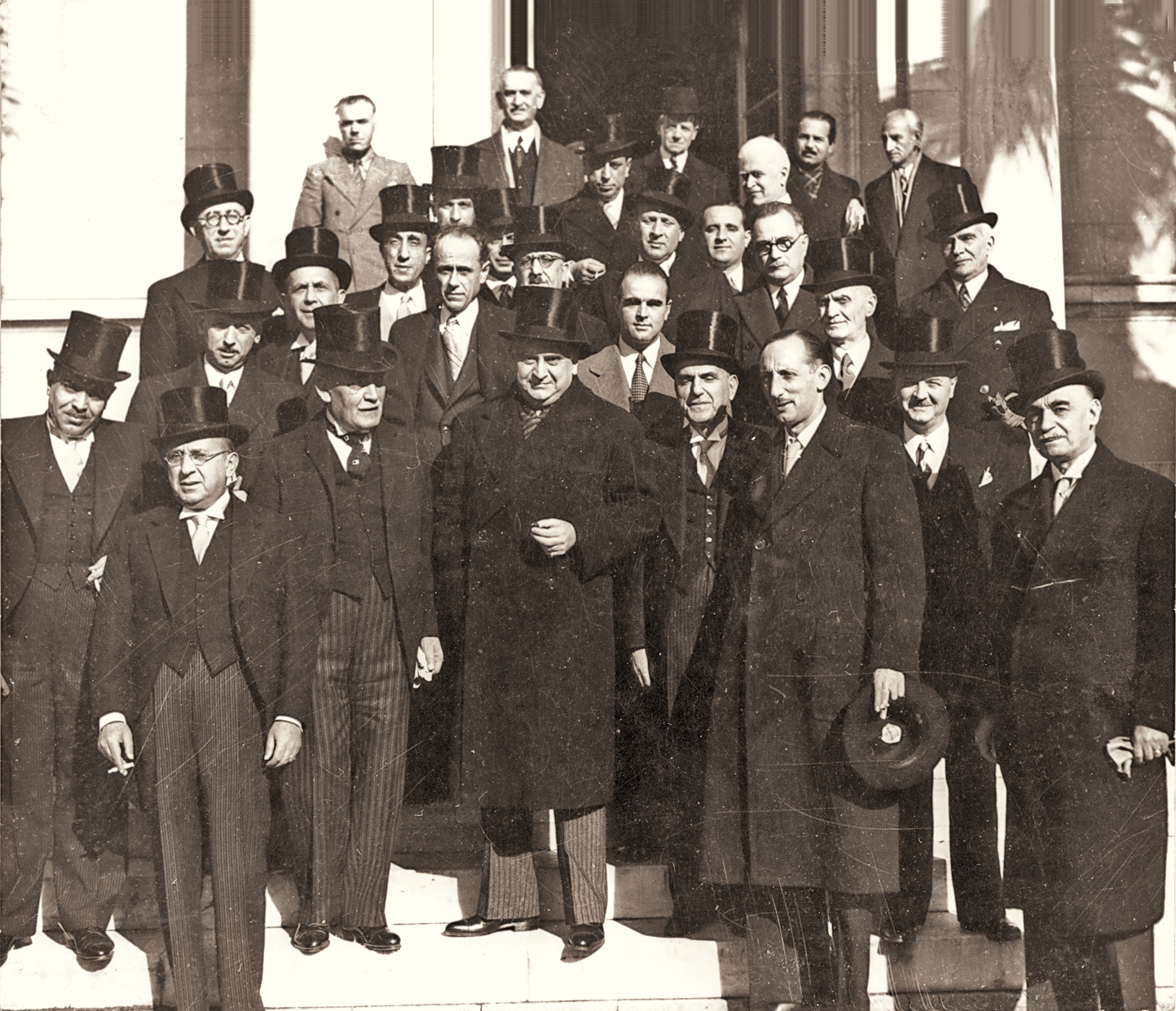
October 1944 | Returns to liberated Athens

31 March 1946 | Elected Member of Parliament for Serres in the first post-war elections; travels to the United States for health reasons; participates in an official government mission to inform the American government about Greece’s economic needs

November 1946 – February 1947 | Appointed Minister of Labour in the governments of K. Tsaldaris and D. Maximos
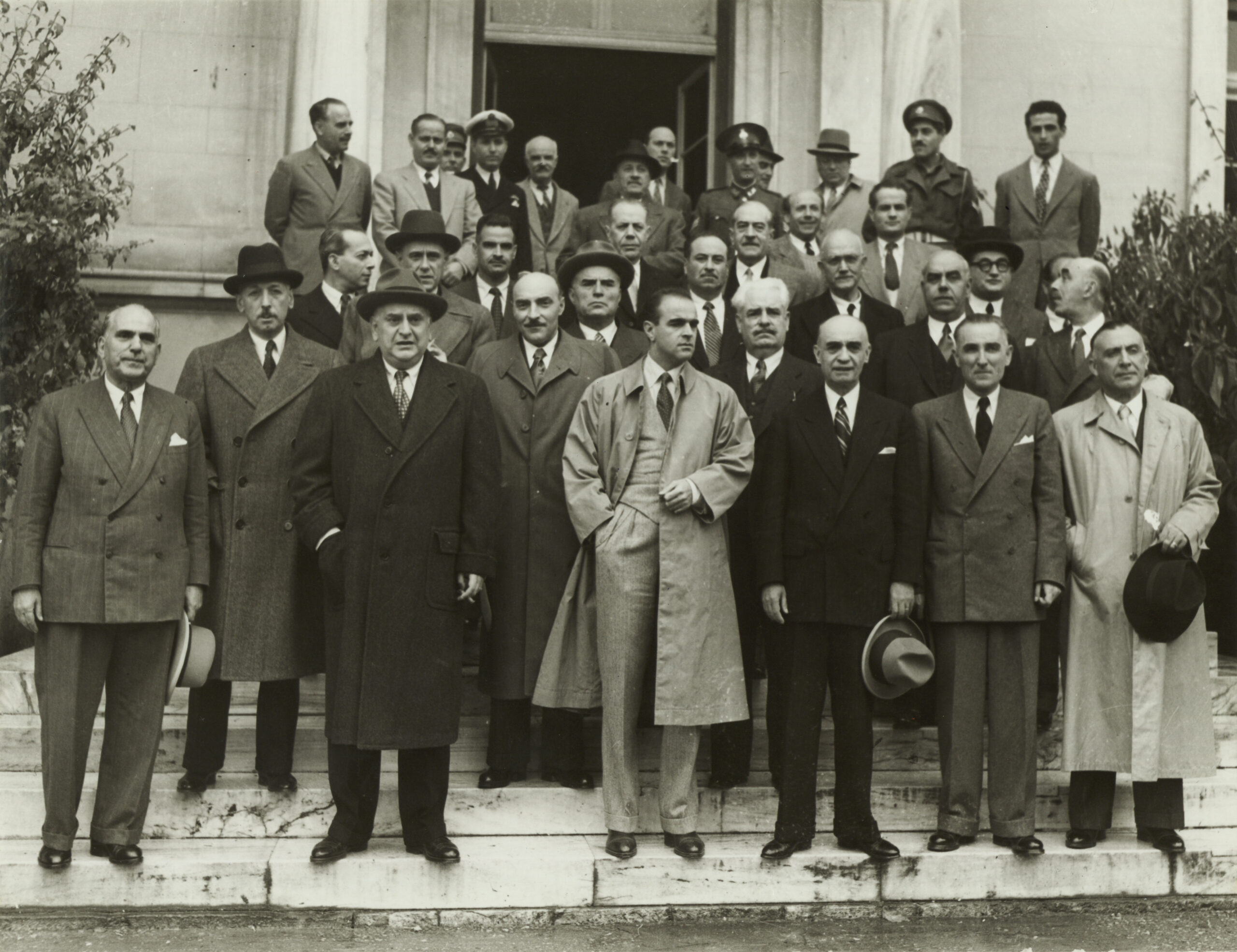
May – October 1948 | Appointed Minister of Transport
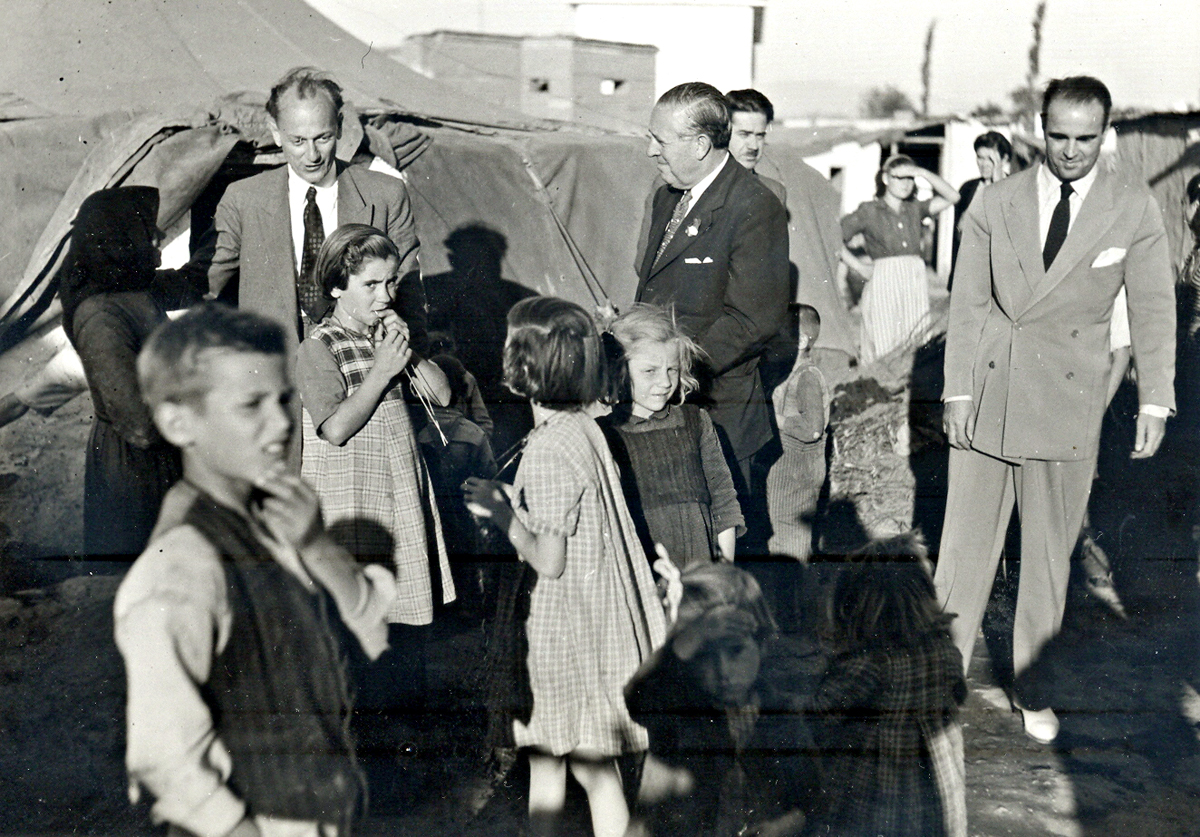
November 1948 – January 1950 | Appointed Minister of Social Welfare

Konstantinos Karamanlis, as Minister of Social Welfare, accompanies the administrator of the Marshall Plan, Paul Hoffman, during his visit to a camp for victims of the Civil War in Kastoria. Also pictured is the Minister of National Defence, Panagiotis Kanellopoulos, 20 August 1949.
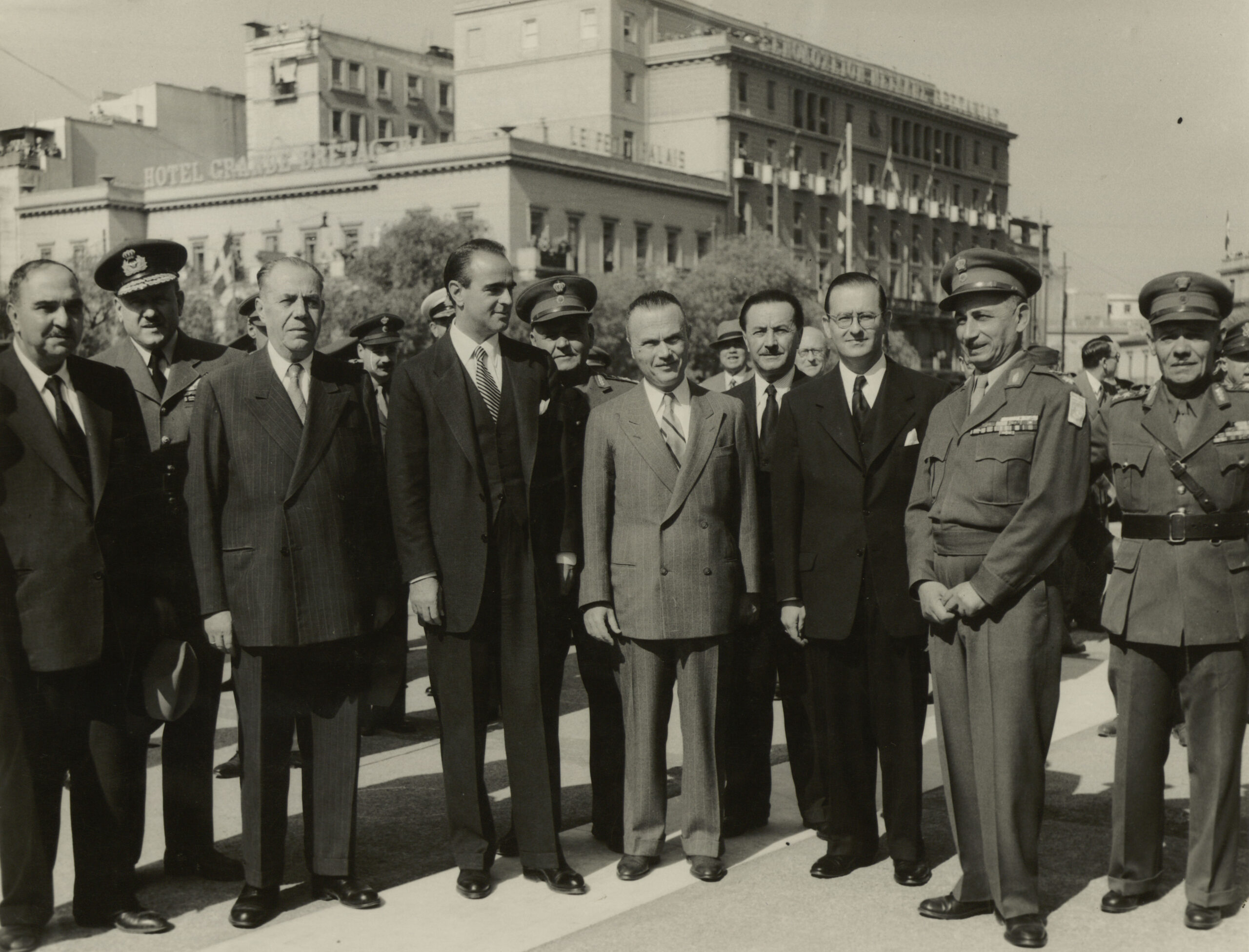
September – November 1950 | Appointed Minister of National Defence in the coalition government of S. Venizelos and K. Tsaldaris
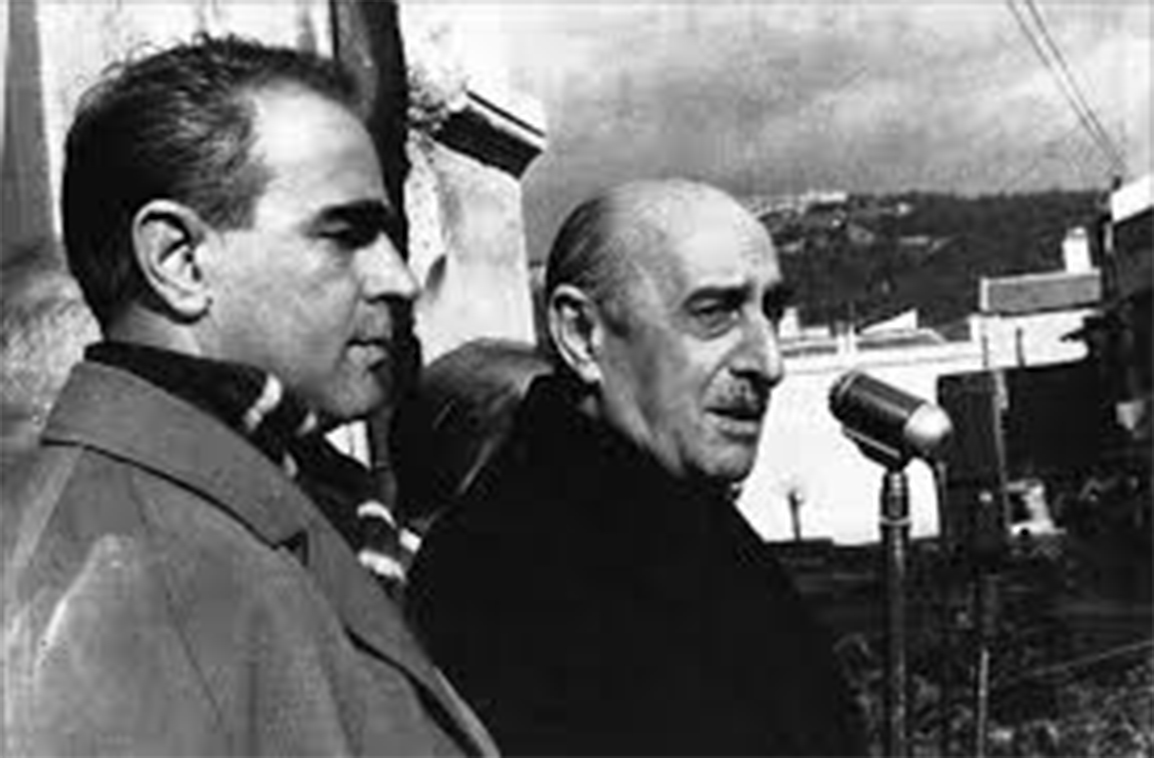
30 July 1951 | Joins the Ethnikos Synagermos (Greek Rally) Party led by Al. Papagos
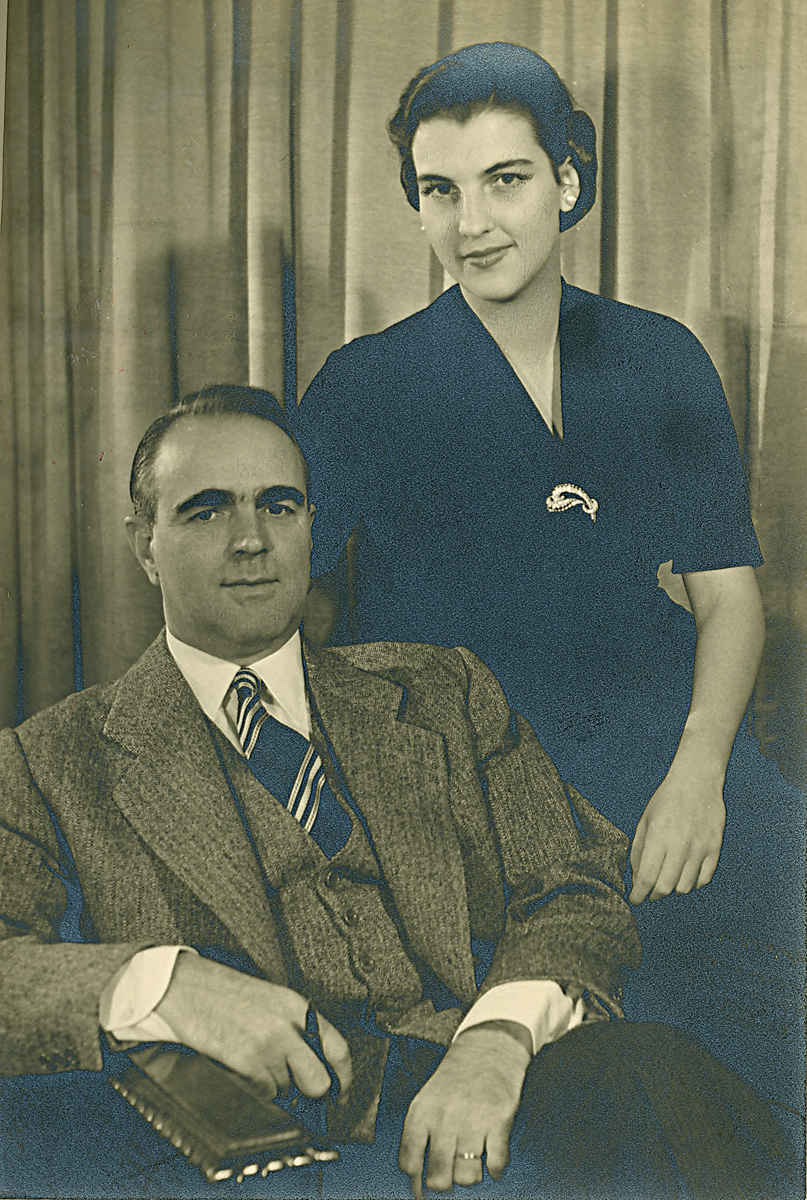
31 May 1952 | Marries Amalia Kanellopoulou

Konstantinos Karamanlis with his wife Amalia Kanellopoulou at home, as the new prime ministerial couple, 1956
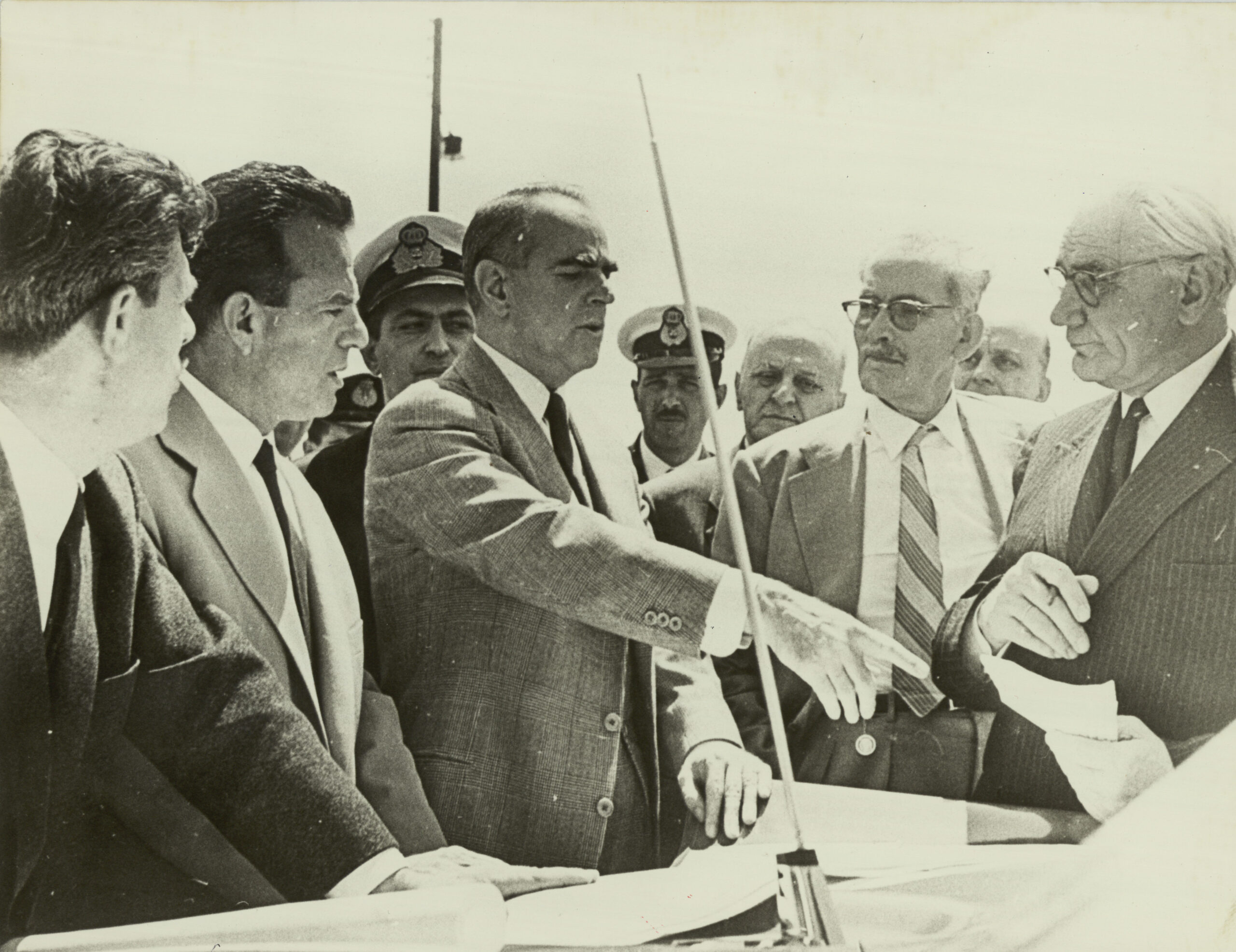
19 November 1952 | Becomes Minister of Public Works in the government of Al. Papagos; starting in December 1954, he also serves as Minister of Transport

Konstantinos Karamanlis inspects major public works projects for the improvement of the infrastructure of Thessaloniki, 5 May 1953
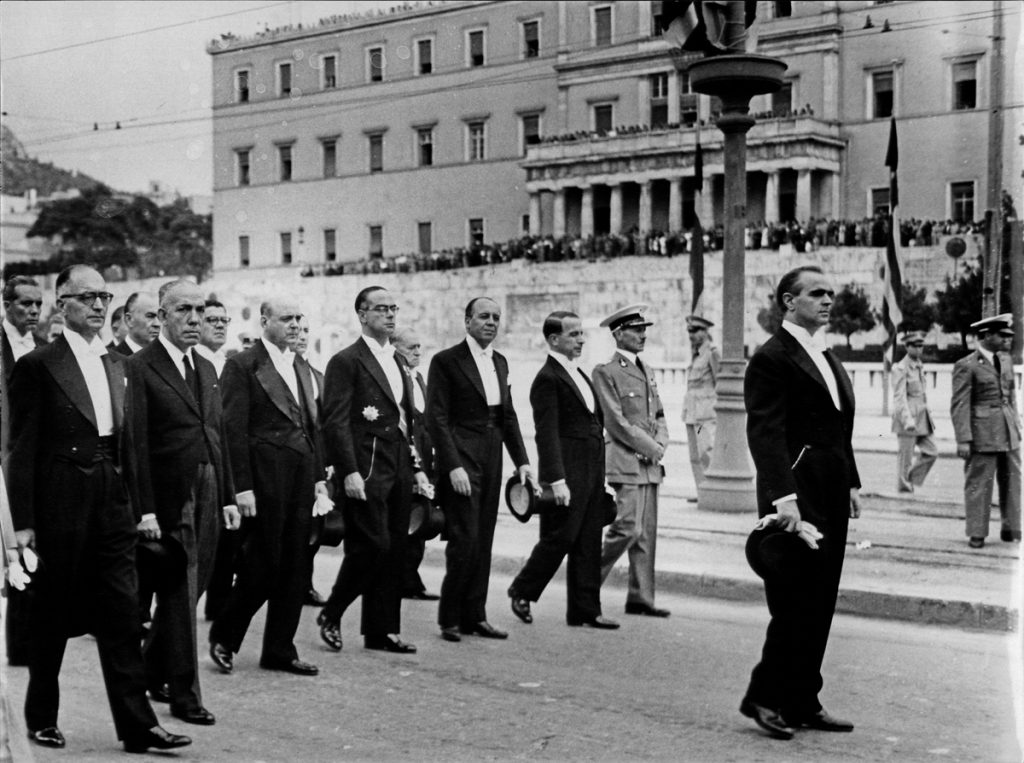
5 October 1955 | Receives mandate from King Paul to form a government following the death of Al. Papagos

Konstantinos Karamanlis, followed by members of his Council of Ministers, at the funeral of Alexandros Papagos, 6 October 1955.
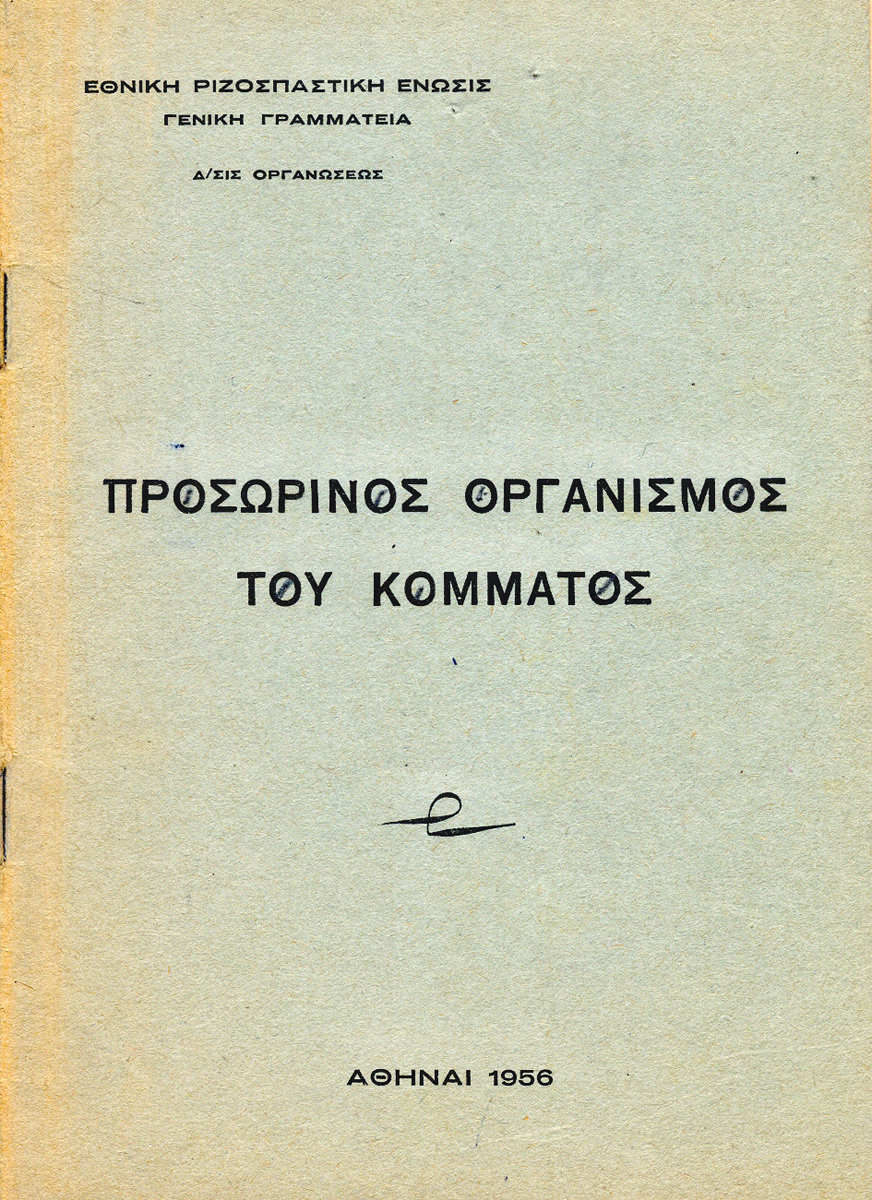
4 January 1956 | Founds the National Radical Union (ERE) party

Handbook of Provisional Regulations of the National Radical Union (ERE) party, January 1955
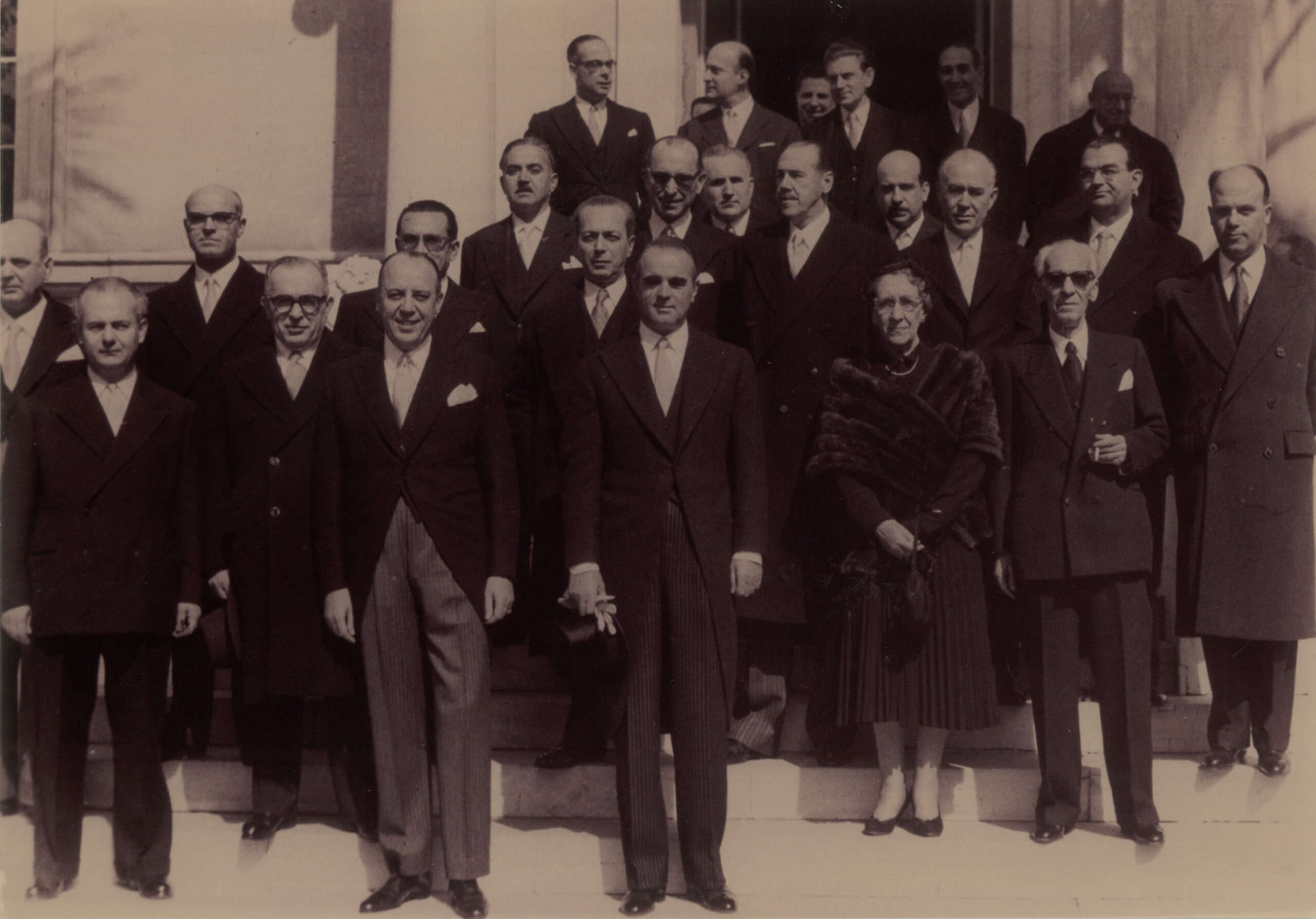
19 February 1956 | First election victory of ERE, with 47.38% of the vote and 165 seats
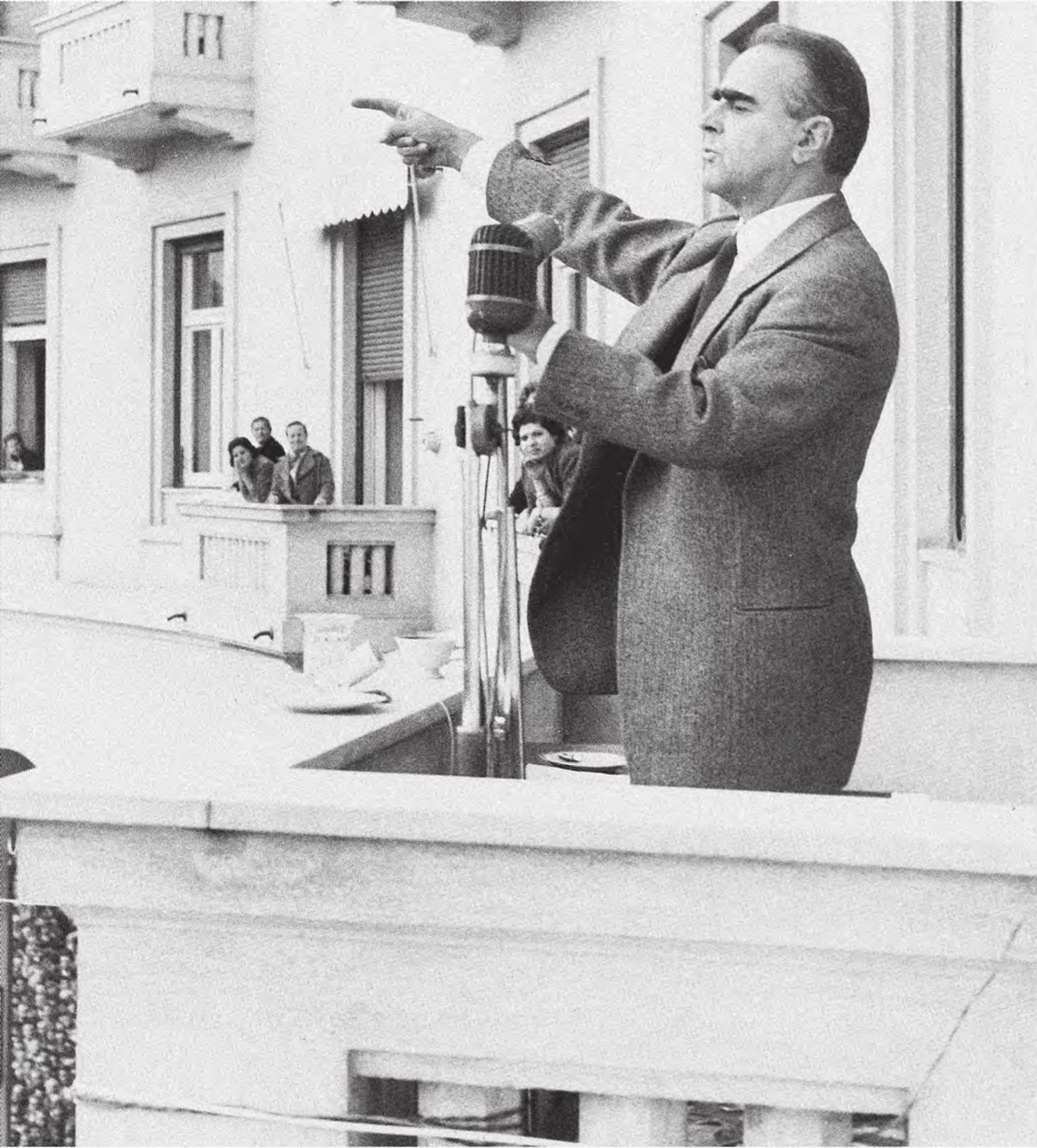
11 May 1958 | Second election victory of ERE, with 41.16% of the vote and 171 seats
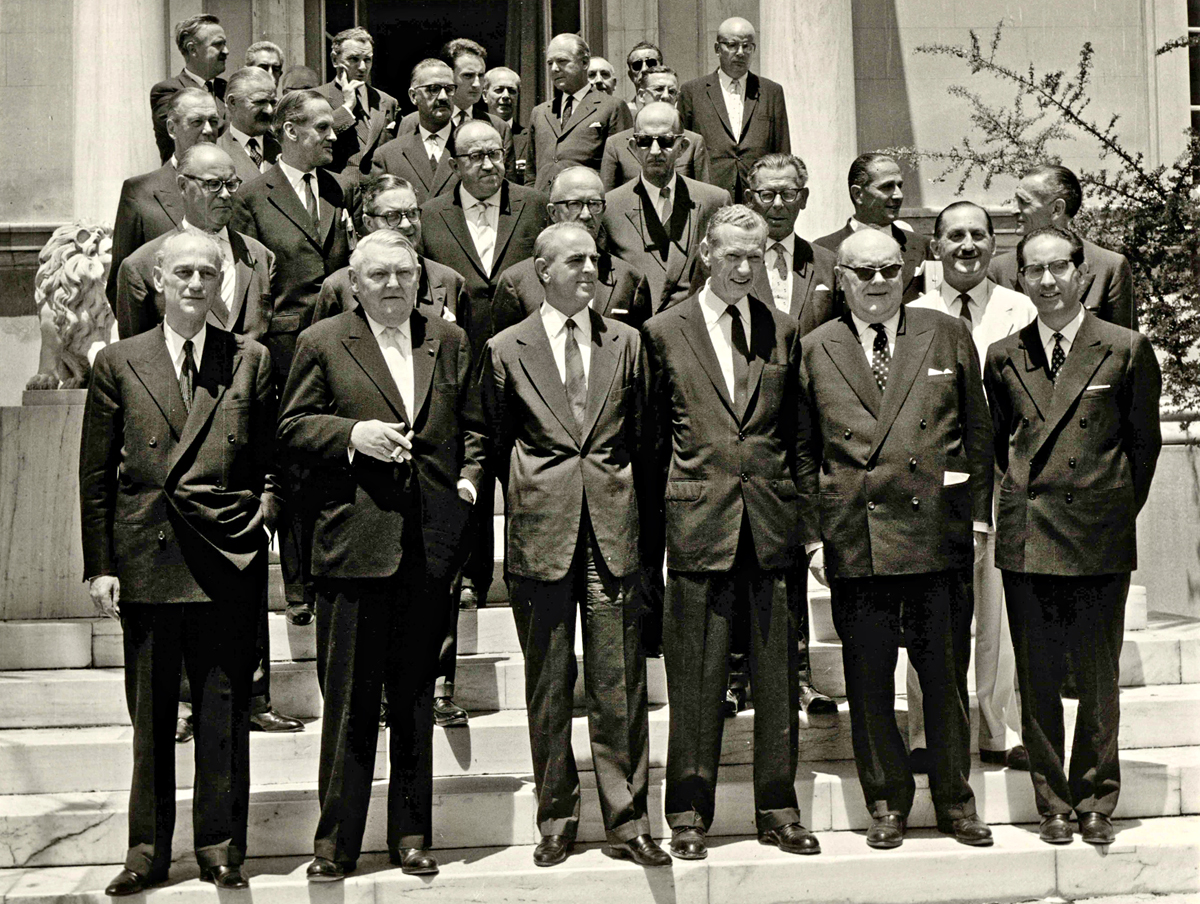
9 July 1961 | Signing in Athens of the Association Agreement between Greece the EEC

Konstantinos Karamanlis with representatives of the EEC member states after the signing of the agreement on the association between Greece and the EEC, 9 July 1961
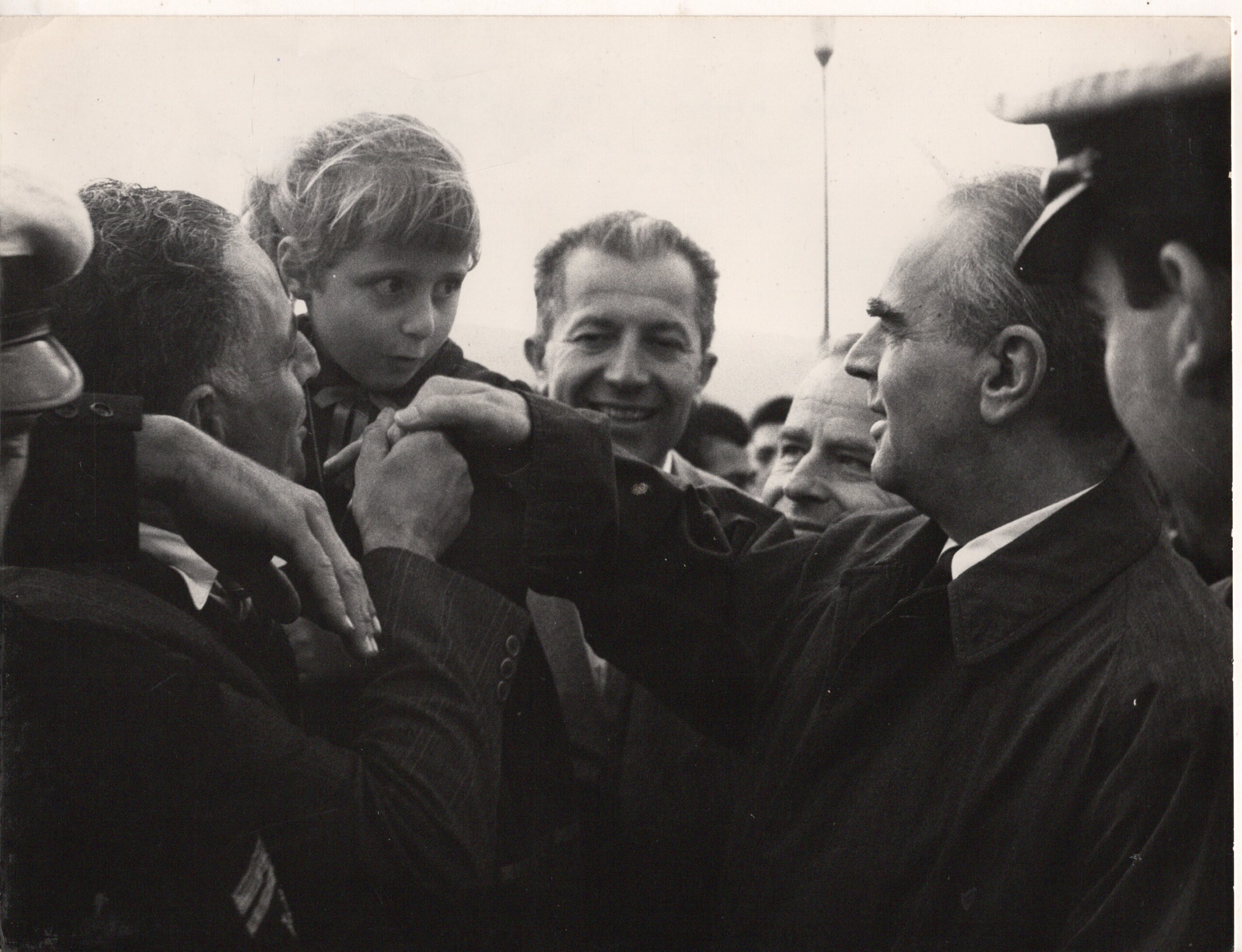
29 October 1961 | Third election victory for ERE, with 50.80% of the vote and 175 seats

Electoral campaign of ERE, ahead of the October 1961 elections
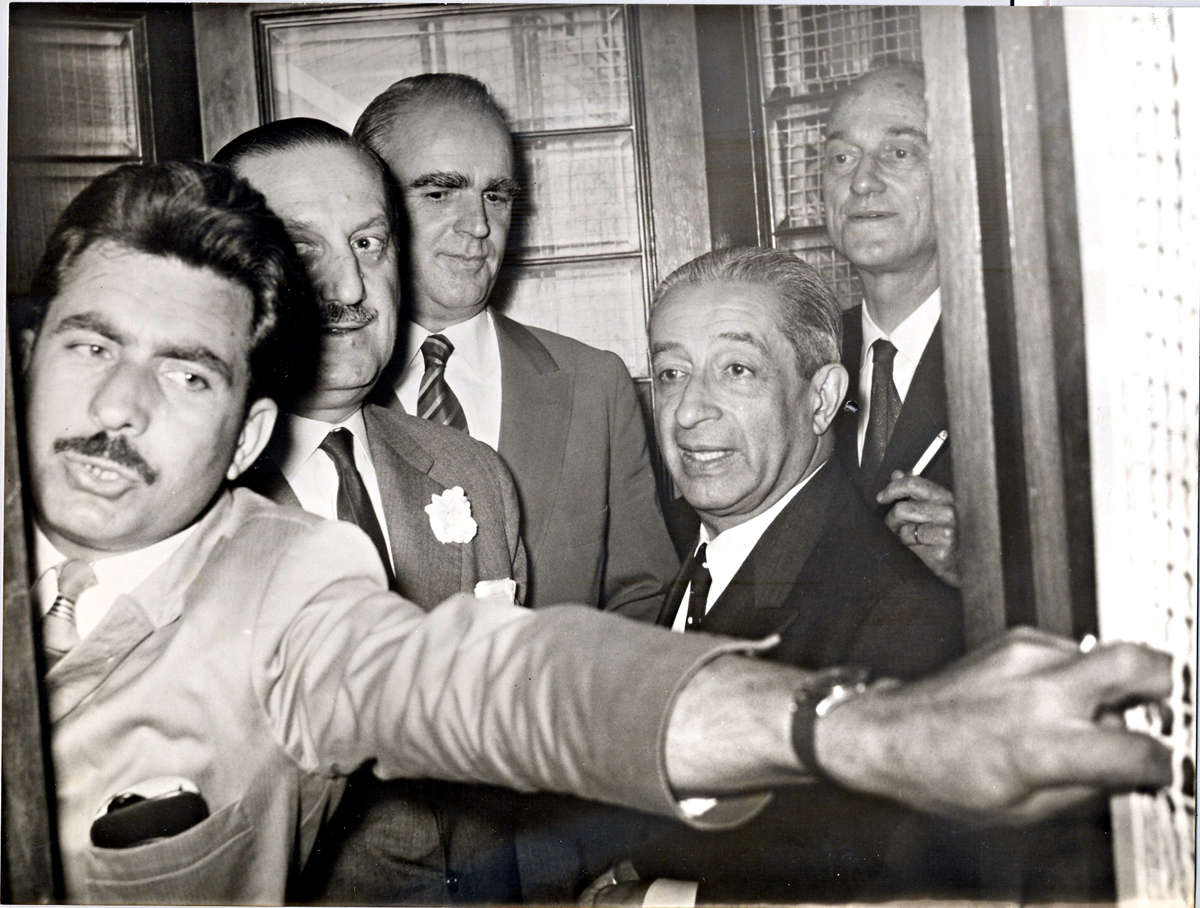
11 June 1963 | Resigns as Prime Minister following a disagreement with the Palace; temporarily leaves the country

Konstantinos Karamanlis attends the extraordinary meeting of the Council of Ministers after submitting his government’s resignation to King Paul, accompanied by Panagiotis Kanellopoulos, Konstantinos Tsatsos and Evangelos Averoff, 11 June 1963
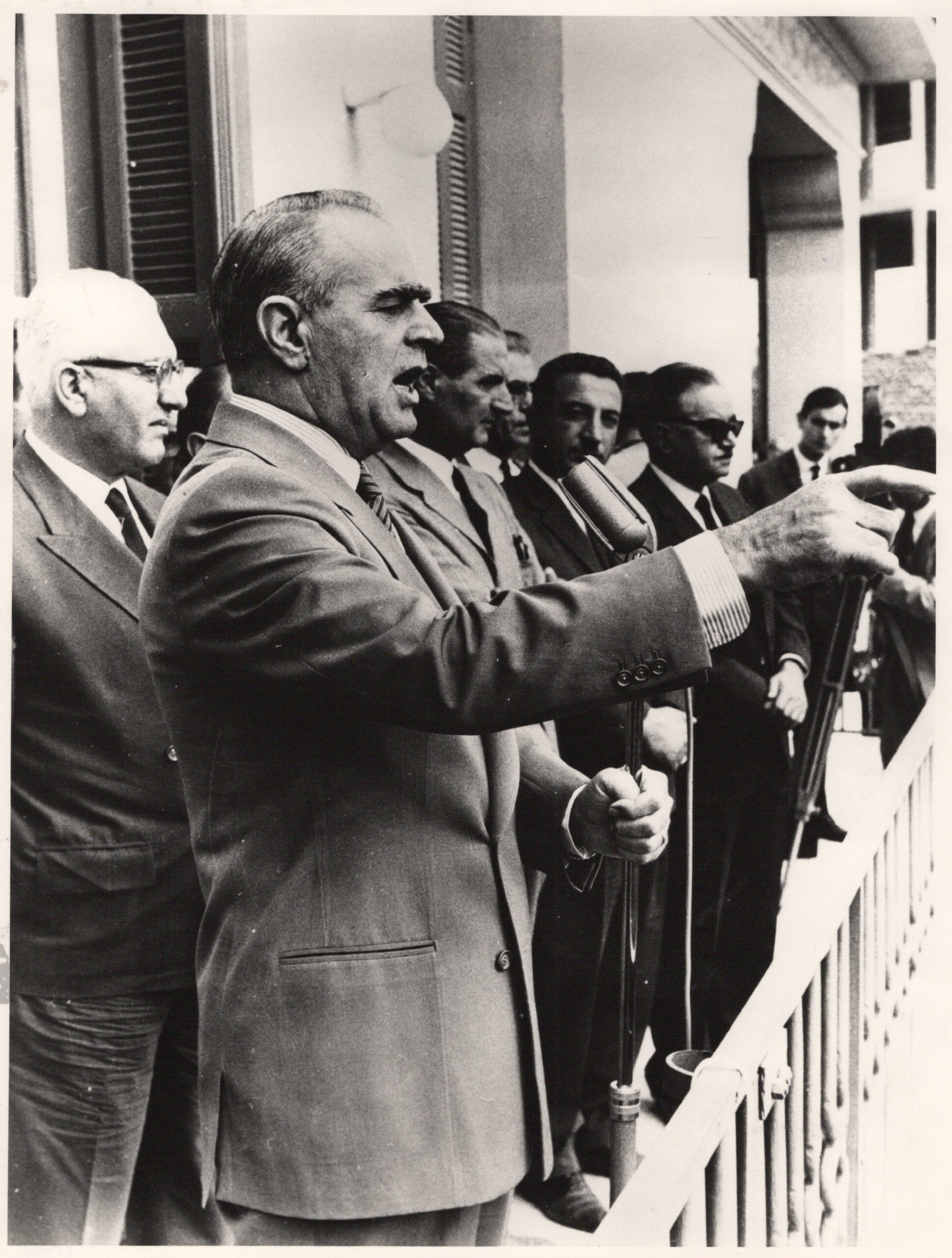
3 November 1963 | The ERE party loses its parliamentary majority in the national elections
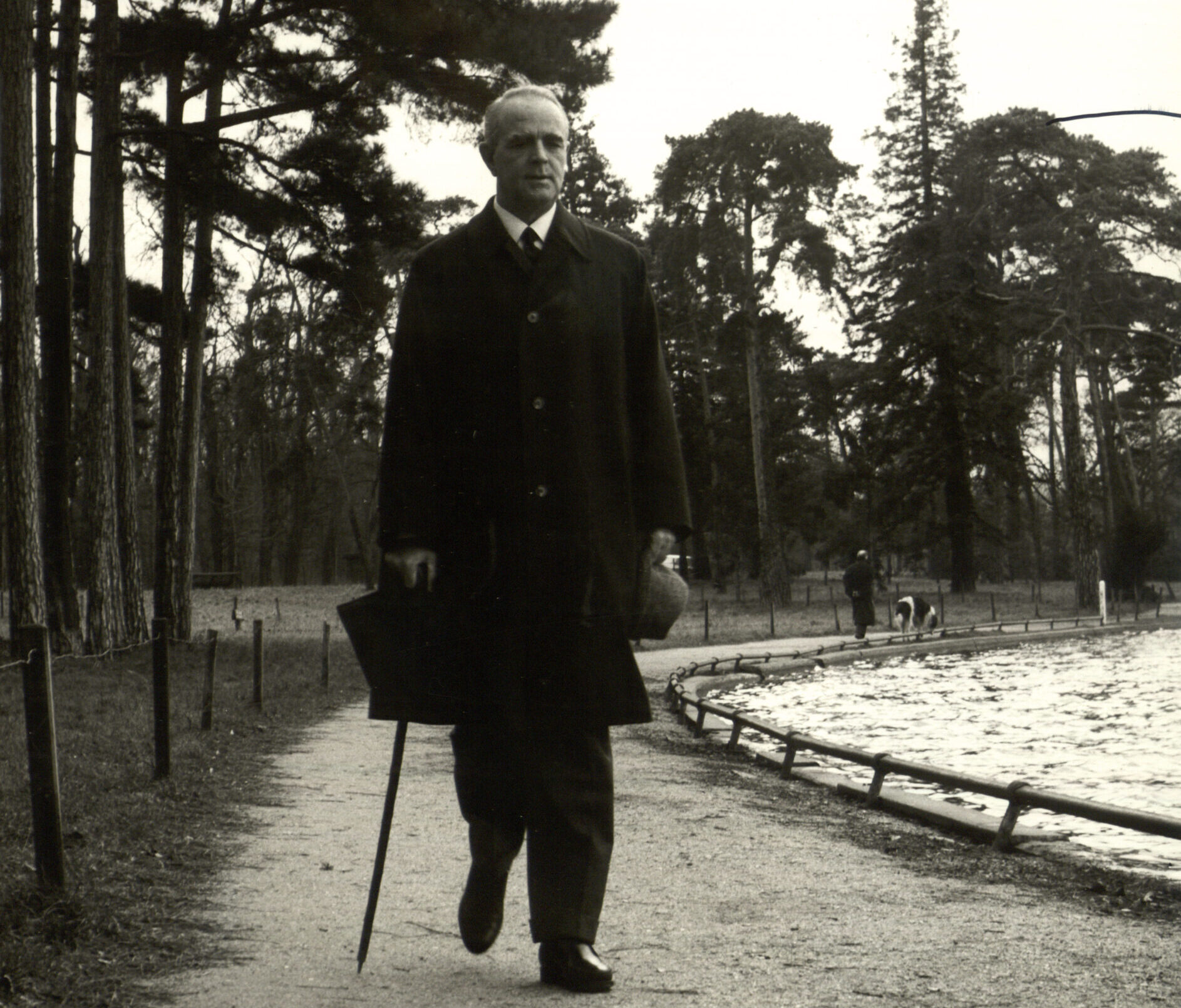
9 December 1963 | Withdraws from politics and goes abroad; settles permanently in Paris
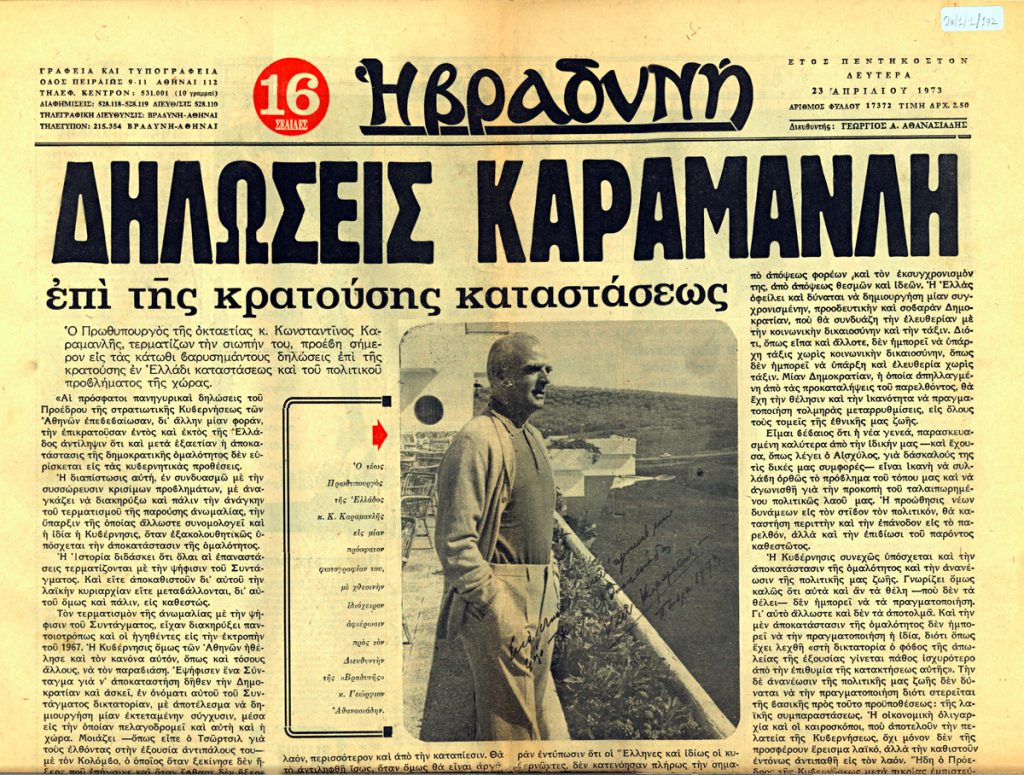
1967-1974 | Important public interventions denouncing the dictatorial regime and calling for a transition to democracy

Konstantinos Karamanlis’s major statement against the regime in Greece, as published in Vradyni newspaper on 23 April 1973, leading to the banning of that particular issue and of the newspaper as a whole by the dictatorial regime
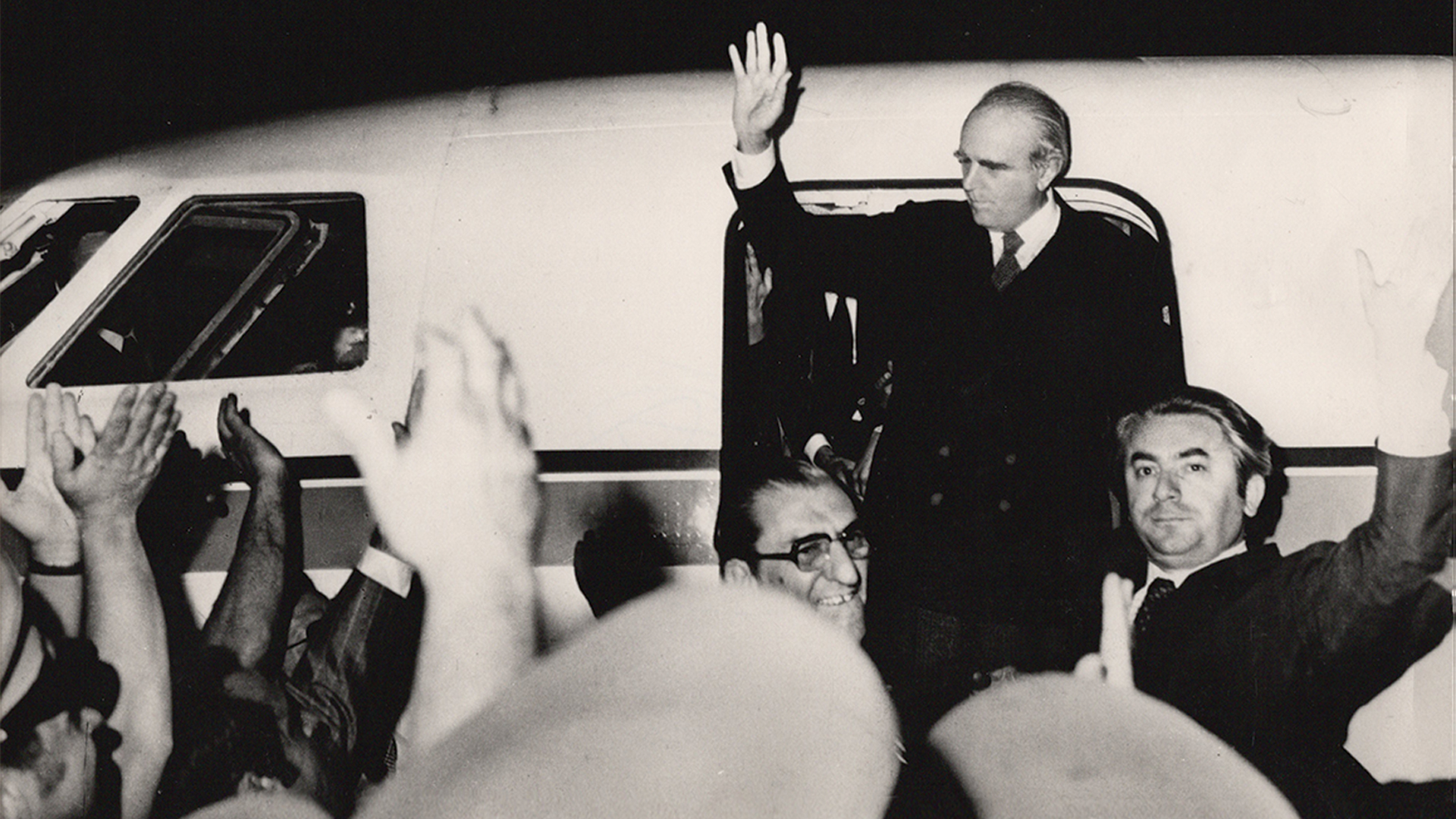
24 July 1974 | Karamanlis returns to Greece amid a national crisis and forms a national unity government
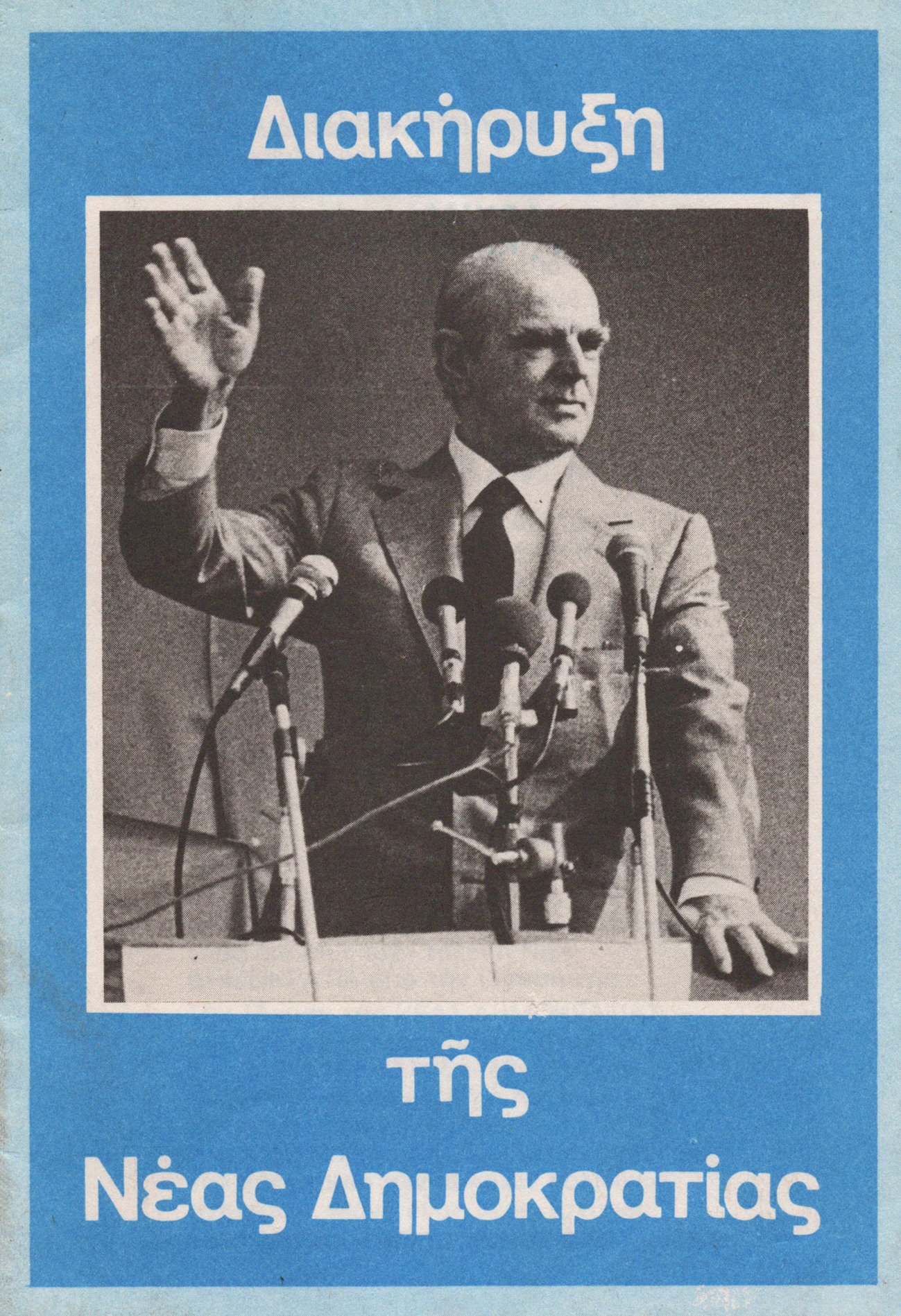
4 October 1974 | Founding of the New Democracy (ND) party by Karamanlis
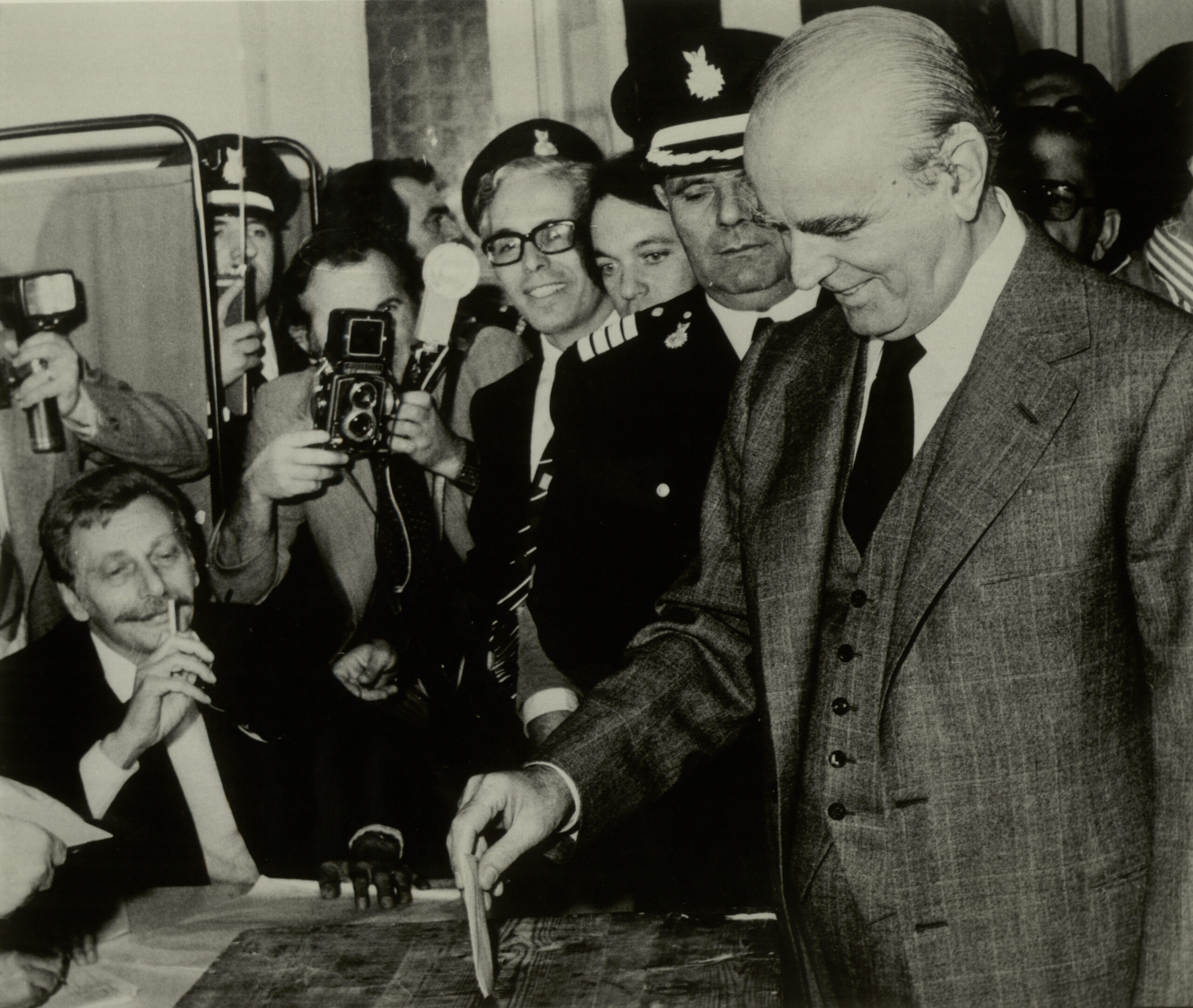
17 November 1974 | Landslide victory for the New Democracy party in the first post-dictatorship elections, with 54.37% of the vote and 220 seats

The conduct and results of the first parliamentary elections in Greece after the fall of the dictatorship, 17 November 1974
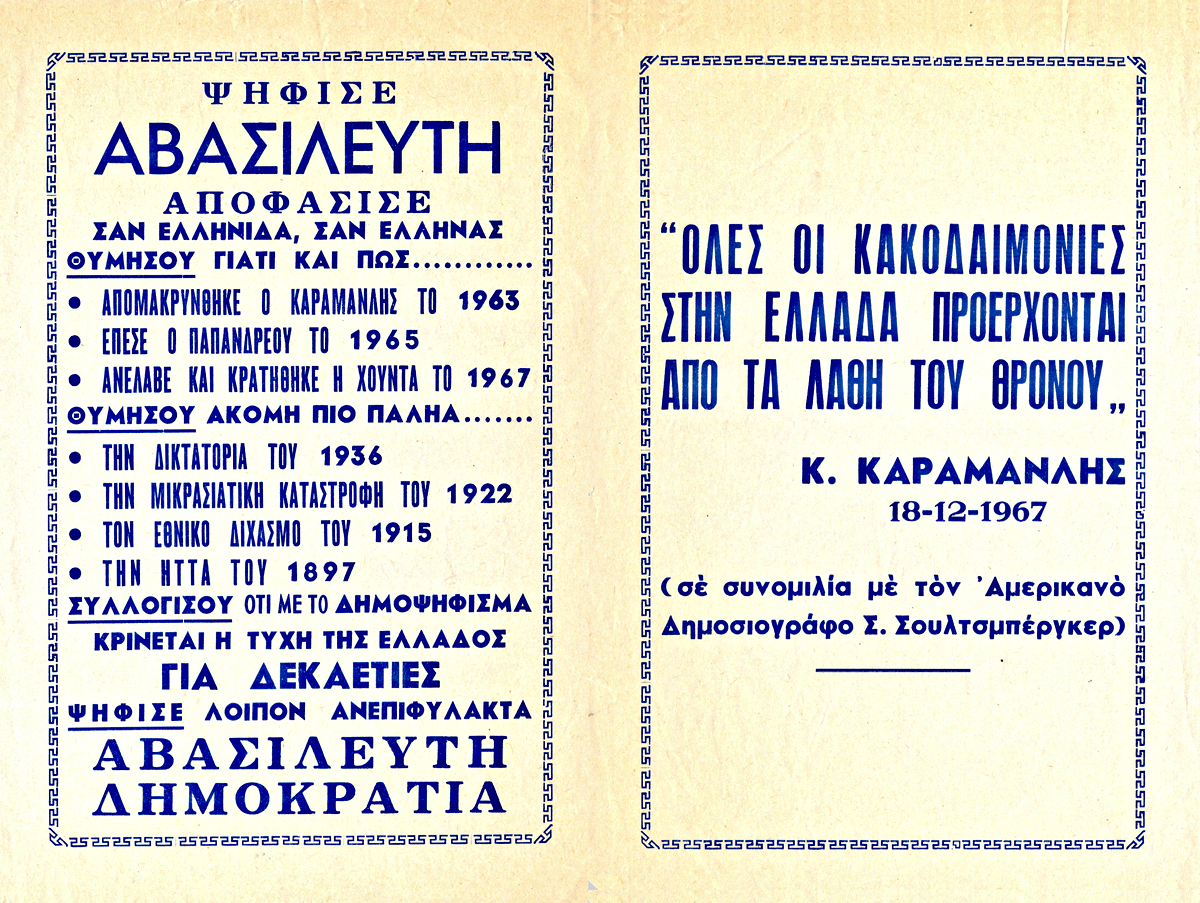
8 December 1974 | Referendum on the resolution of the regime issue. The regime of Republic is chosen by 69% of the population

Flyer in favour of the republican regime, ahead of the referendum on the constitutional form of the state (8 December 1974)
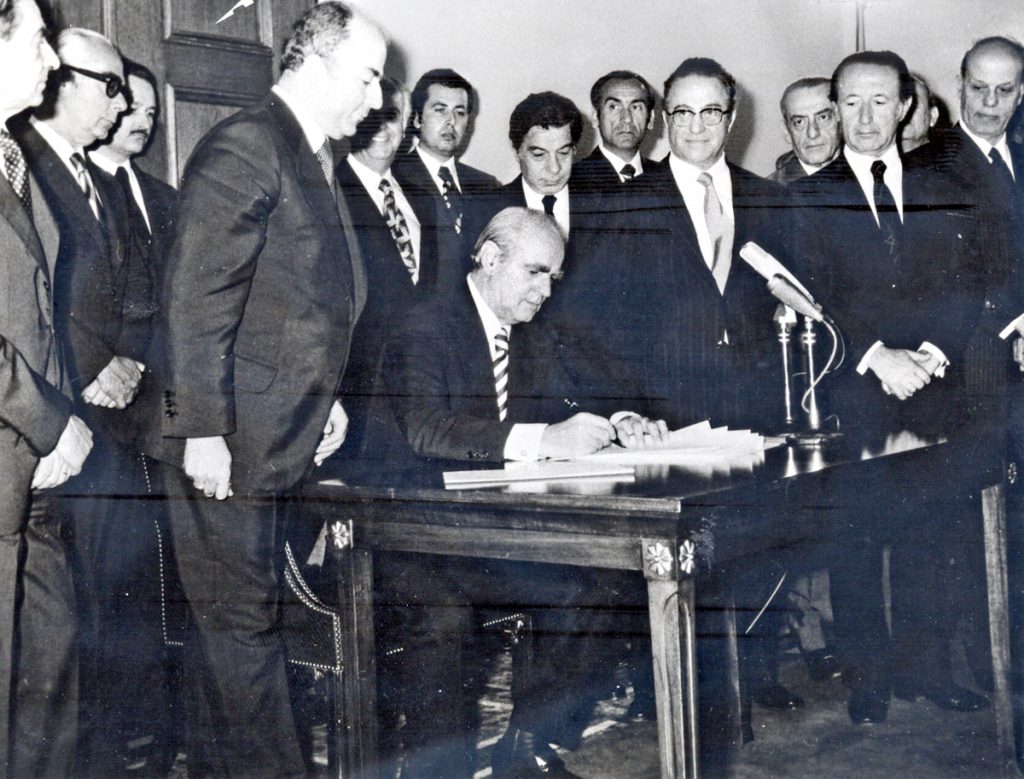
9 June 1975 | Signing of the new Constitution

Konstantinos Karamanlis signs the new Constitution at a special ceremony in the Greek Parliament, 9 June 1975
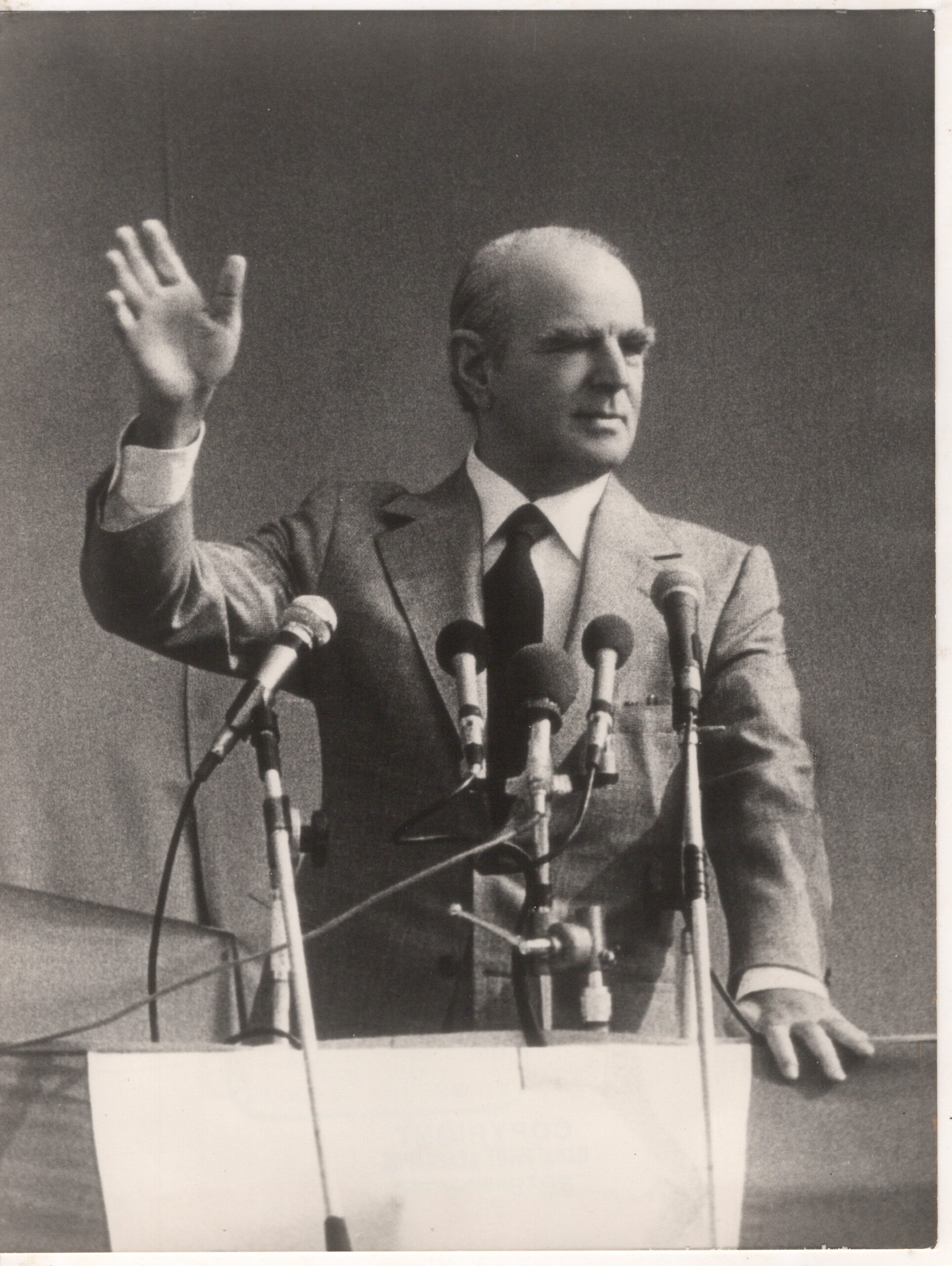
20 November 1977 | Second election victory for the New Democracy party, with 41.84% of the vote and 171 seats
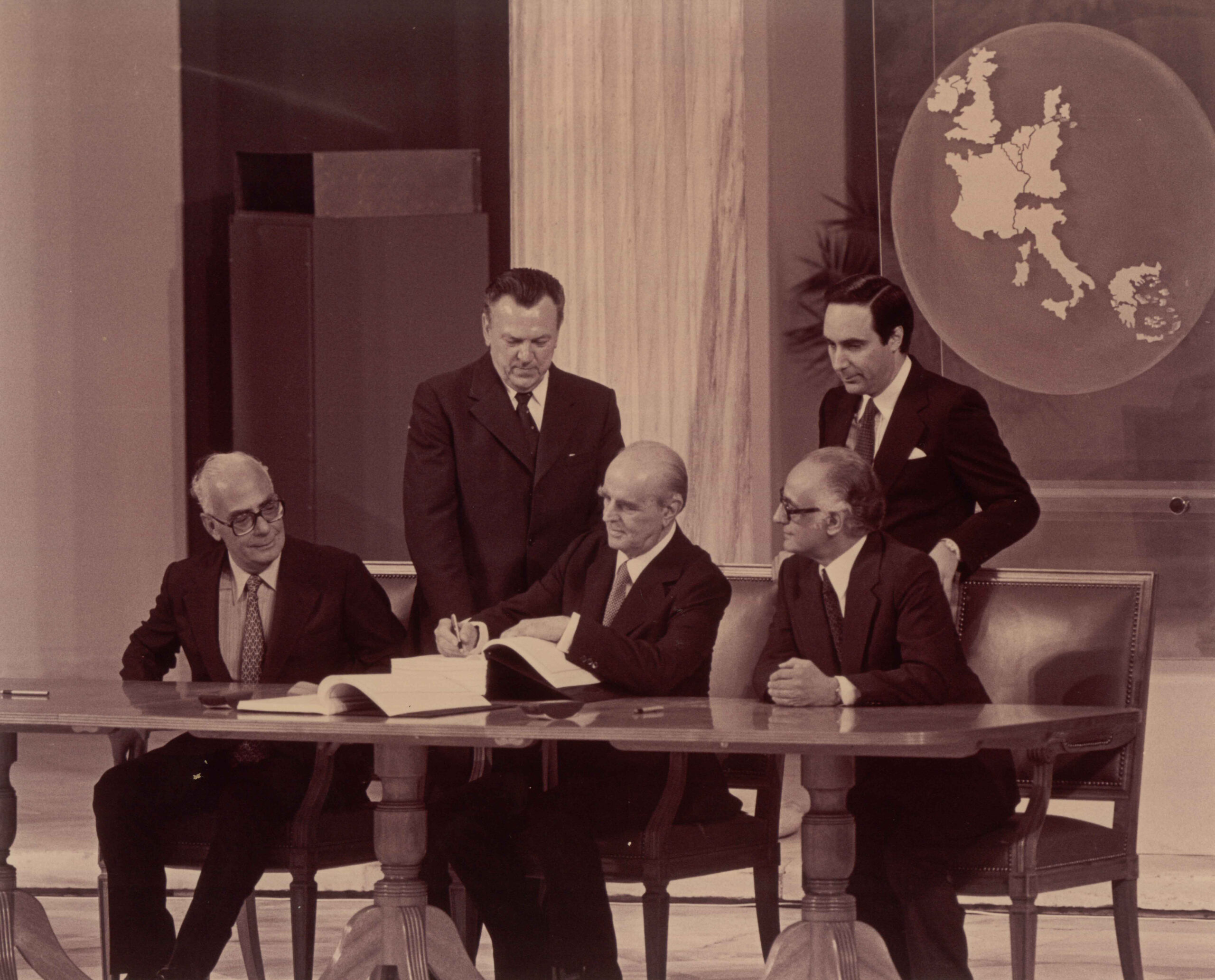
28 May 1979 | The Treaty of Accession of Greece to the EEC is signed in Athens

The ceremony at the Zappeion Megaron for the signing of the Agreement on Greece's Accession to the European Economic Community, 28 May 1979
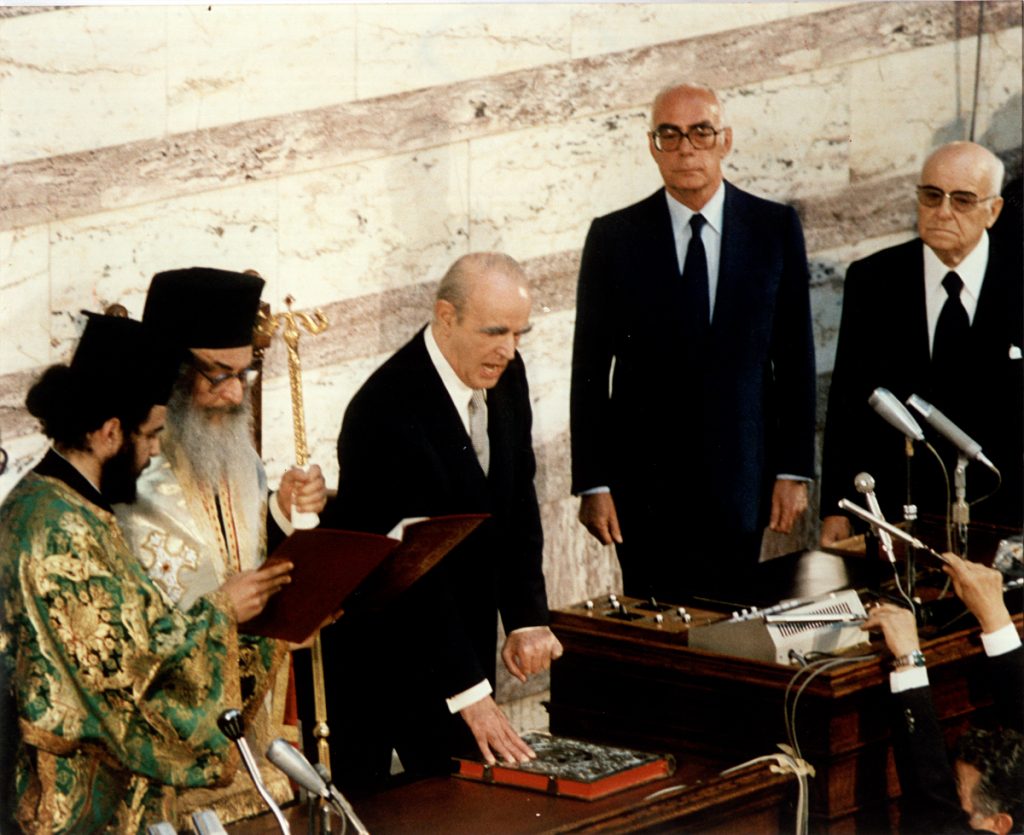
5 May 1980 | Elected President of the Republic

Konstantinos Karamanlis is sworn in as the new President of the Republic by the Archbishop of Athens and Greece, Seraphim, in the presence of Prime Minister Georgios Rallis, 15 May 1980
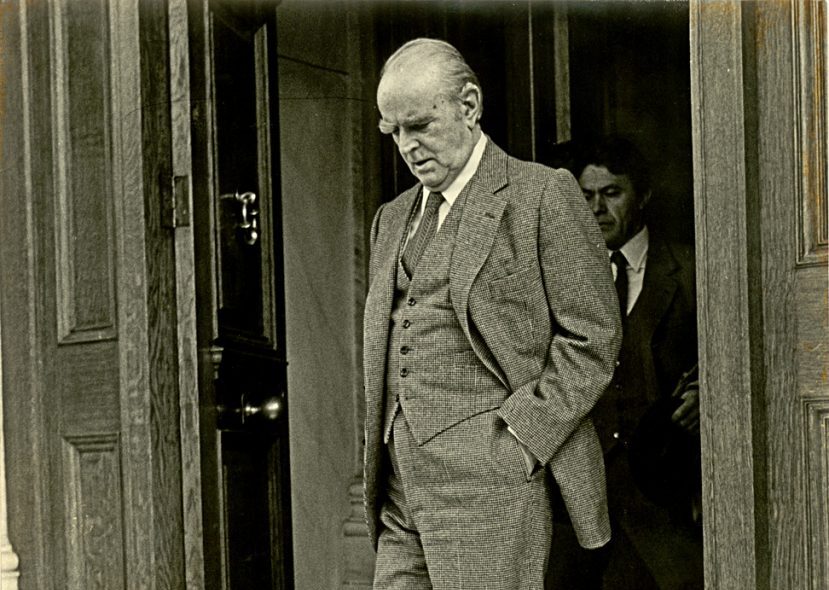
10 March 1985 | Resigns from the presidency

Konstantinos Karamanlis leaves the Presidential Palace on 13 March 1985, having already resigned on 10 March following Andreas Papandreou’s retraction of his decision to support Karamanlis’s re-election to the country’s highest office
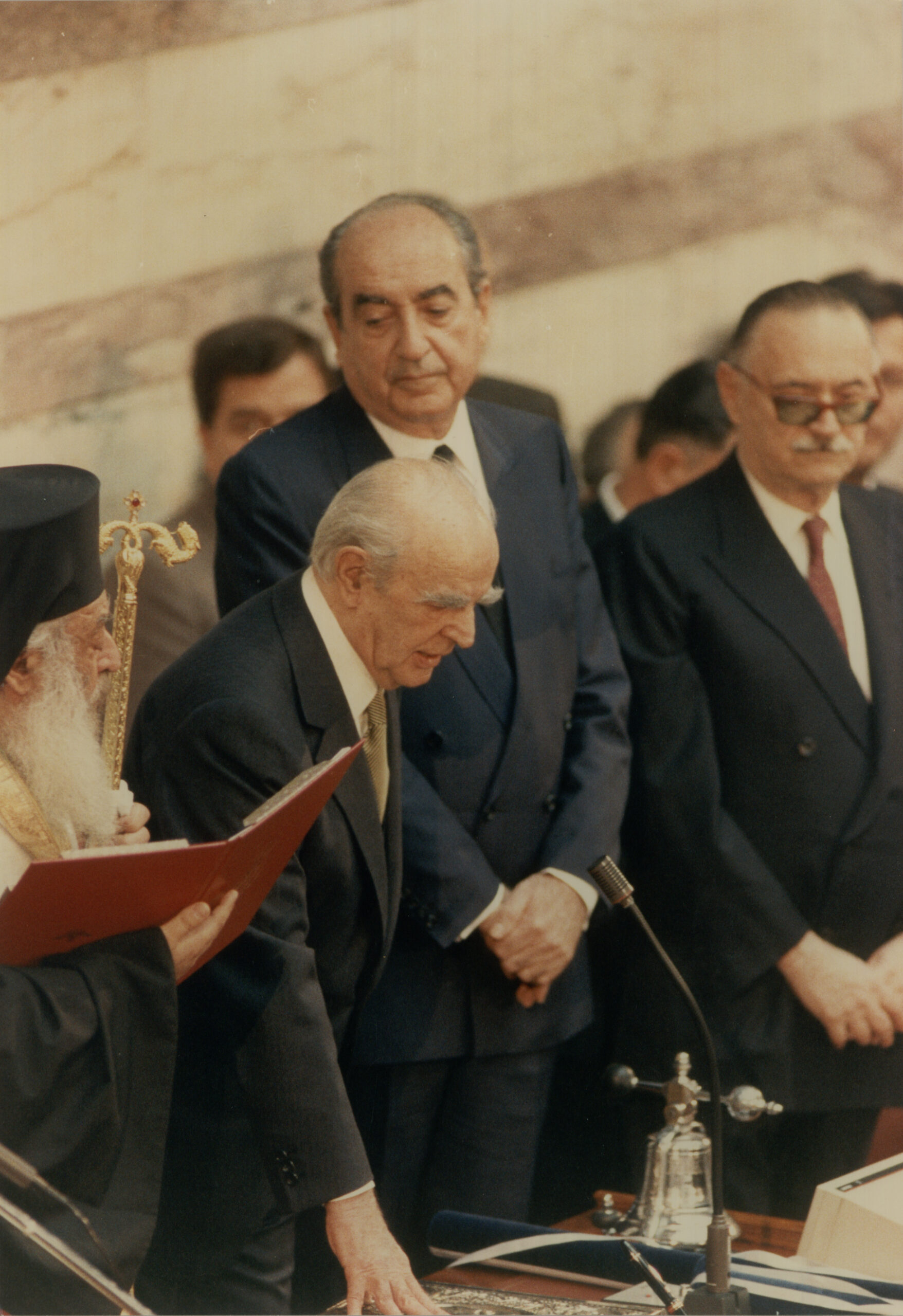
4 May 1990 | Re-elected President of the Republic
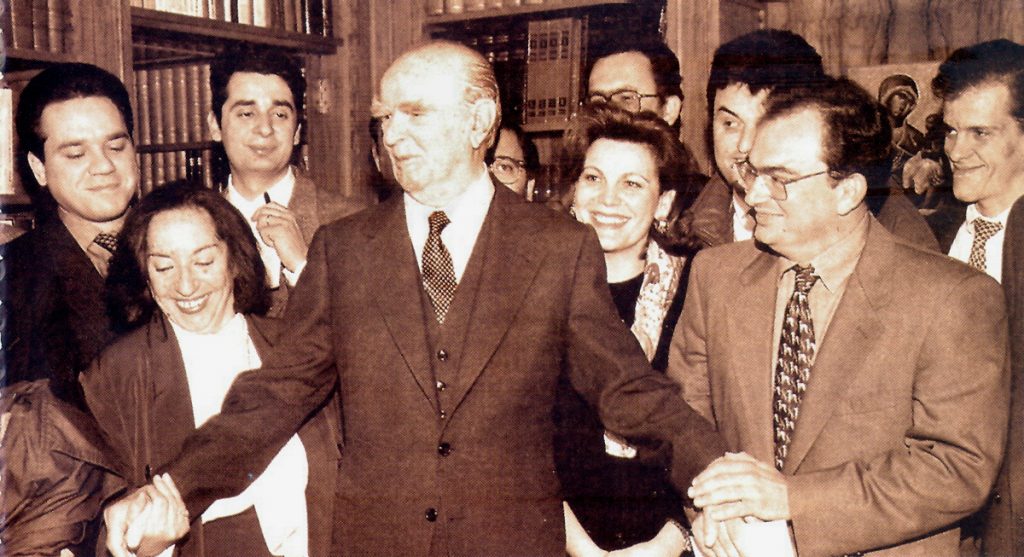
10 March 1995 | End of presidential term and definitive retirement from active politics

Farewell photo with political correspondents in his office at the Presidential Palace, 9 March 1995
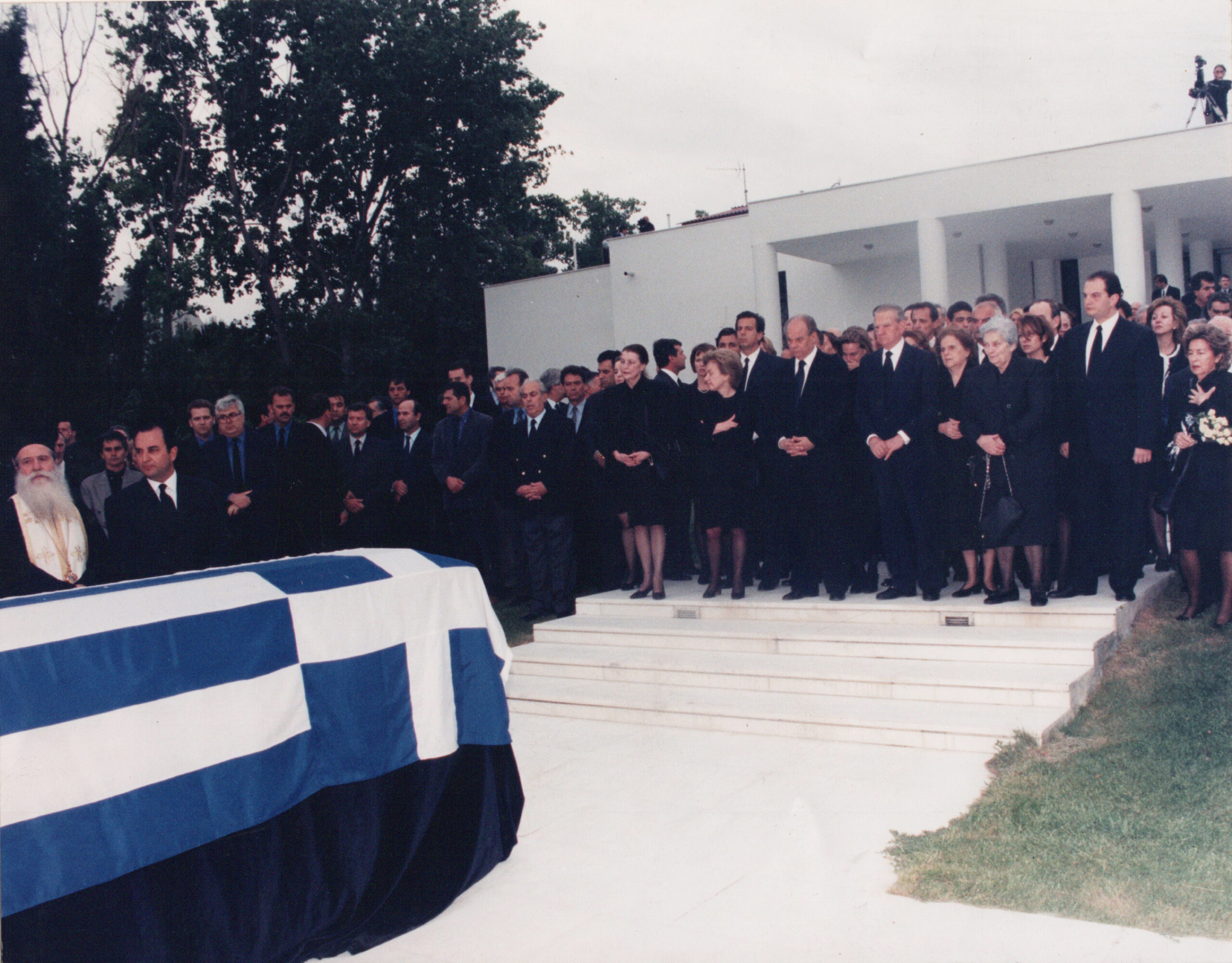
23 April 1998 | Death of K. Karamanlis following a short illness